Everest Base Camp Trek Recommendation and Tips for Future Trekkers
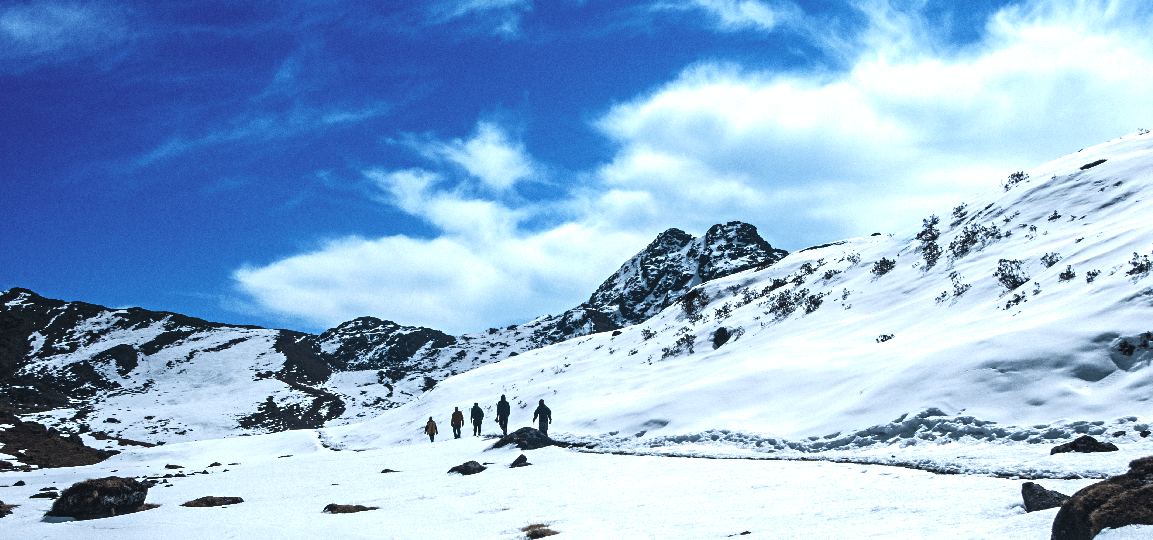
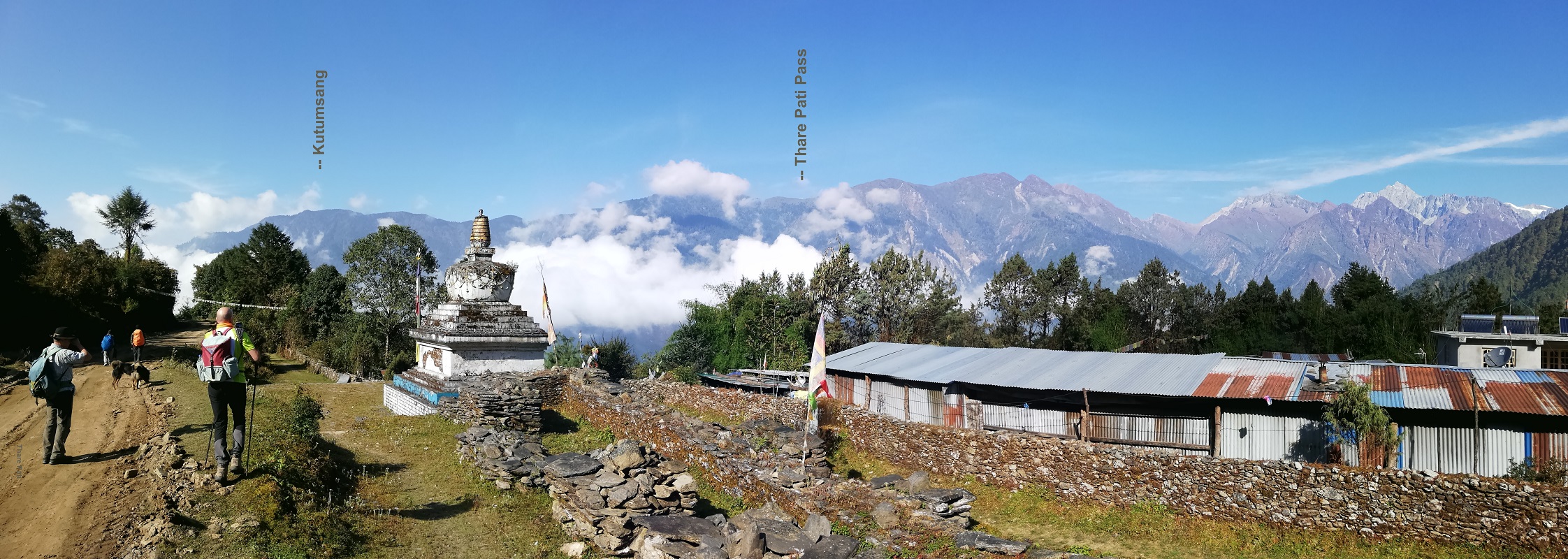
Everest Base Camp Trek Recommendation and Tips for Future Trekkers. The Everest Base Camp Trek is highly recommended for trekkers seeking a challenging, scenic, and culturally rich Himalayan adventure. The route offers an unforgettable combination of dramatic mountain views, Sherpa culture, Buddhist monasteries, remote villages, suspension bridges, and the rare experience of walking through the heart of the Khumbu region toward the base of the world’s highest mountain.
This trek is not a casual holiday walk. It requires physical preparation, patience, mental strength, and respect for altitude. However, the rewards are exceptional. The journey to Everest Base Camp is often more meaningful than the destination itself, with each day bringing new landscapes, changing weather, and memorable encounters.
For adventure lovers, nature enthusiasts, photographers, and those interested in Himalayan culture, the Everest Base Camp Trek is one of the most worthwhile trekking experiences in Nepal.
Why the Trek Is Worth Recommending
1. Spectacular Mountain Views
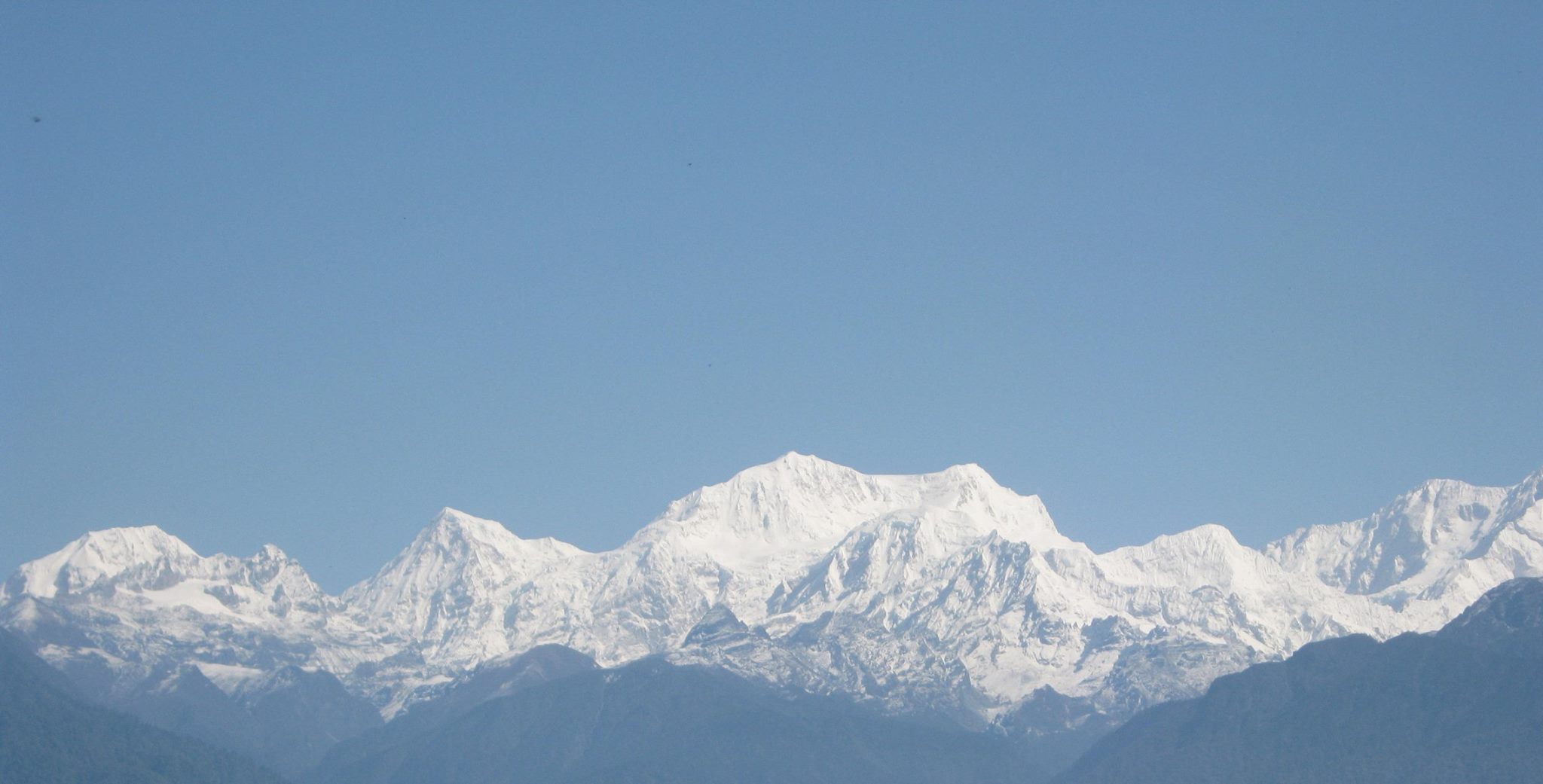
The trek provides views of some of the most iconic peaks in the world, including Everest, Lhotse, Nuptse, Ama Dablam, Thamserku, and Pumori. The scenery changes gradually from green valleys and pine forests to alpine landscapes, glaciers, and rocky high-altitude terrain.
Kala Patthar is one of the major highlights, offering one of the best panoramic views of Mount Everest and the surrounding Himalayan range.
2. Rich Sherpa Culture
The route passes through traditional Sherpa villages such as Namche Bazaar, Tengboche, Dingboche, and Lobuche. Monasteries, prayer wheels, mani stones, and fluttering prayer flags add cultural depth to the trek.
Tengboche Monastery is a particularly memorable stop, offering both spiritual atmosphere and beautiful mountain backdrops.
3. Sense of Achievement
Reaching Everest Base Camp is a powerful accomplishment. The trek demands endurance, especially at higher elevations, but the final arrival at base camp creates a strong sense of pride and satisfaction.
The achievement comes not only from reaching the destination but also from adapting to altitude, managing fatigue, and continuing through difficult days.
4. Well-Established Trekking Route
The Everest Base Camp route is one of Nepal’s most established trekking trails. Teahouses, lodges, food stops, guides, porters, and emergency services are available along the route, making it accessible compared with more remote Himalayan treks.
Although the trek is demanding, the infrastructure makes it suitable for determined beginners with proper preparation as well as experienced trekkers.
Challenges to Expect
Altitude
Altitude is the biggest challenge on the Everest Base Camp Trek. The route reaches over 5,000 meters, where oxygen levels are significantly lower. Symptoms such as headache, tiredness, loss of appetite, and disturbed sleep are common.
A slow pace, proper acclimatization, hydration, and rest days are essential.
Physical Difficulty
The trek involves long walking days, steep ascents, rocky paths, and repeated climbs and descents. Fitness matters, but steady pacing and mental resilience are equally important.
The most difficult sections are often above Dingboche, especially toward Lobuche, Gorak Shep, Everest Base Camp, and Kala Patthar.
Weather Conditions
Weather in the Everest region can change quickly. Cold temperatures, wind, snow, rain, and cloudy conditions are possible, especially at higher elevations. Morning and evening temperatures can be very low.
Proper layering and weather-resistant gear are necessary.
Basic Accommodation
Teahouses along the route are comfortable enough for trekking, but facilities become more basic at higher altitudes. Rooms are simple, heating is limited, and hot showers or charging may require extra payment.
A flexible mindset helps make the experience smoother.
Best Time for the Trek
The most popular seasons are spring and autumn.
|
Season |
Months |
Experience |
|
Spring |
March to May |
Clear views, warmer weather, blooming rhododendrons, active trekking season |
|
Autumn |
September to November |
Stable weather, excellent visibility, dry trails, popular trekking period |
|
Winter |
December to February |
Very cold, fewer trekkers, clear skies, possible snow |
|
Monsoon |
June to August |
Rain, clouds, slippery trails, flight delays, fewer clear views |
Spring and autumn are the best overall choices for most trekkers.
Recommended Trek Duration
A standard Everest Base Camp Trek usually takes 12 to 14 days, including acclimatization days. Shorter itineraries are possible but not ideal because they increase the risk of altitude sickness.
A comfortable itinerary should include acclimatization stops in places such as Namche Bazaar and Dingboche.
Tips for Future Trekkers
1. Choose a Gradual Itinerary
A slower itinerary improves acclimatization and increases the chance of reaching Everest Base Camp safely. Rest days should not be skipped, especially in Namche Bazaar and Dingboche.
2. Train Before the Trek
Preparation should include hiking, stair climbing, cardio training, and leg-strength exercises. Training with a backpack is helpful because it builds endurance for long trekking days.
Good fitness makes the journey more enjoyable, especially on steep climbs and high-altitude sections.
3. Pack Light but Smart
Carrying unnecessary items makes the trek harder. Essential items include warm layers, a down jacket, thermal wear, gloves, a hat, sunglasses, sunscreen, a water bottle, trekking poles, a headlamp, basic medicines, and comfortable trekking boots.
Layering is more effective than relying on one heavy item of clothing.
4. Wear Proper Footwear
Well-broken-in trekking boots are essential. New boots can cause blisters and discomfort. Good socks and blister prevention supplies are also important.
Foot comfort has a major impact on the overall trekking experience.
5. Stay Hydrated
Hydration supports acclimatization and reduces fatigue. Drinking enough water throughout the day is important, especially at higher altitudes where dehydration can happen quickly.
Water purification tablets, filters, or boiled water are commonly used on the trail.
6. Eat Enough
Appetite may reduce at altitude, but regular meals are necessary for energy. Dal bhat is a reliable and filling option available in most teahouses. Soups, noodles, potatoes, rice, pasta, eggs, and porridge are also common.
Heavy fried foods and alcohol are best avoided during high-altitude sections.
7. Walk Slowly
A slow and steady pace is one of the most important rules for the Everest Base Camp Trek. Rushing increases fatigue and altitude risk. The goal is consistent movement rather than speed.
Short breaks, controlled breathing, and steady walking help conserve energy.
8. Respect Altitude Symptoms
Headaches, nausea, dizziness, confusion, shortness of breath at rest, or worsening weakness should be taken seriously. Continuing upward with severe symptoms can be dangerous.
Guides and medical professionals should be informed immediately if symptoms become concerning.
9. Hire a Reliable Guide or Porter
A good guide improves safety, navigation, cultural understanding, and logistical ease. A porter can reduce physical strain by carrying heavier luggage, allowing more focus on the trek itself.
Using local guides and porters also supports the local economy.
10. Prepare for Lukla Flight Delays
Flights to and from Lukla are weather-dependent. Delays are common. Extra buffer days are recommended, especially before international travel or fixed commitments.
Flexibility reduces stress at the beginning and end of the trek.
11. Carry Enough Cash
ATMs are limited and may not always work in remote areas. Cash is needed for snacks, hot drinks, Wi-Fi, charging, showers, tips, and small purchases.
Prices increase with altitude because goods are transported by porters, yaks, or helicopters.
12. Protect Against the Sun and Cold
High-altitude sun can be intense, even in cold weather. Sunglasses, sunscreen, lip balm, and a hat are important. Nights and early mornings can be freezing, so warm layers are essential.
13. Respect Local Culture
The Khumbu region has deep Buddhist traditions. Monasteries, prayer flags, mani walls, and chortens should be treated respectfully. Walking clockwise around religious monuments is customary.
Polite behavior, modest clothing, and respect for local customs improve the cultural experience.
14. Keep the Trail Clean
Plastic waste and litter are serious concerns in mountain regions. Reusable bottles, responsible waste disposal, and avoiding unnecessary packaging help protect the environment.
The Everest region’s beauty depends on responsible trekking practices.
Who Should Consider This Trek
The Everest Base Camp Trek is suitable for people with good basic fitness, patience, determination, and interest in mountain landscapes. Previous high-altitude trekking experience is helpful but not required with proper preparation and a sensible itinerary.
The trek is ideal for:
-Adventure travelers
-Nature and mountain lovers
-Photographers
-Cultural travelers
-Hikers seeking a major personal challenge
-Trekkers interested in Nepal’s Himalayan region
Who May Find It Difficult
The trek may be challenging for anyone with poor fitness, limited time for acclimatization, serious respiratory or heart conditions, or discomfort with cold weather and basic accommodation.
Mental preparation is important because some days can feel long, cold, and tiring.
Final Verdict
The Everest Base Camp Trek is absolutely worth recommending. It combines natural beauty, cultural richness, physical challenge, and emotional reward in a way few treks can match. The journey is demanding, but with proper preparation, a gradual itinerary, suitable gear, and respect for altitude, it can become one of the most memorable travel experiences in Nepal.
The trek is best approached with patience rather than speed, curiosity rather than expectation, and respect for both the mountains and the local communities that make the journey possible.
 Have Questions?