1
Check Our Risk-Free Booking Policy View Details

Adventure Trip

Everest Base Camp Trek Recommendation and Tips for Future Trekkers

Everest Base Camp Trek Recommendation and Tips for Future Trekkers. The Everest Base Camp Trek is highly recommended for trekkers seeking a challenging, scenic, and culturally rich Himalayan adventure. The route offers an unforgettable combination of dramatic mountain views, Sherpa culture, Buddhist monasteries, remote villages, suspension bridges, and the rare experience of walking through the heart of the Khumbu region toward the base of the world’s highest mountain.

This trek is not a casual holiday walk. It requires physical preparation, patience, mental strength, and respect for altitude. However, the rewards are exceptional. The journey to Everest Base Camp is often more meaningful than the destination itself, with each day bringing new landscapes, changing weather, and memorable encounters.

For adventure lovers, nature enthusiasts, photographers, and those interested in Himalayan culture, the Everest Base Camp Trek is one of the most worthwhile trekking experiences in Nepal.

Why the Trek Is Worth Recommending

1. Spectacular Mountain Views

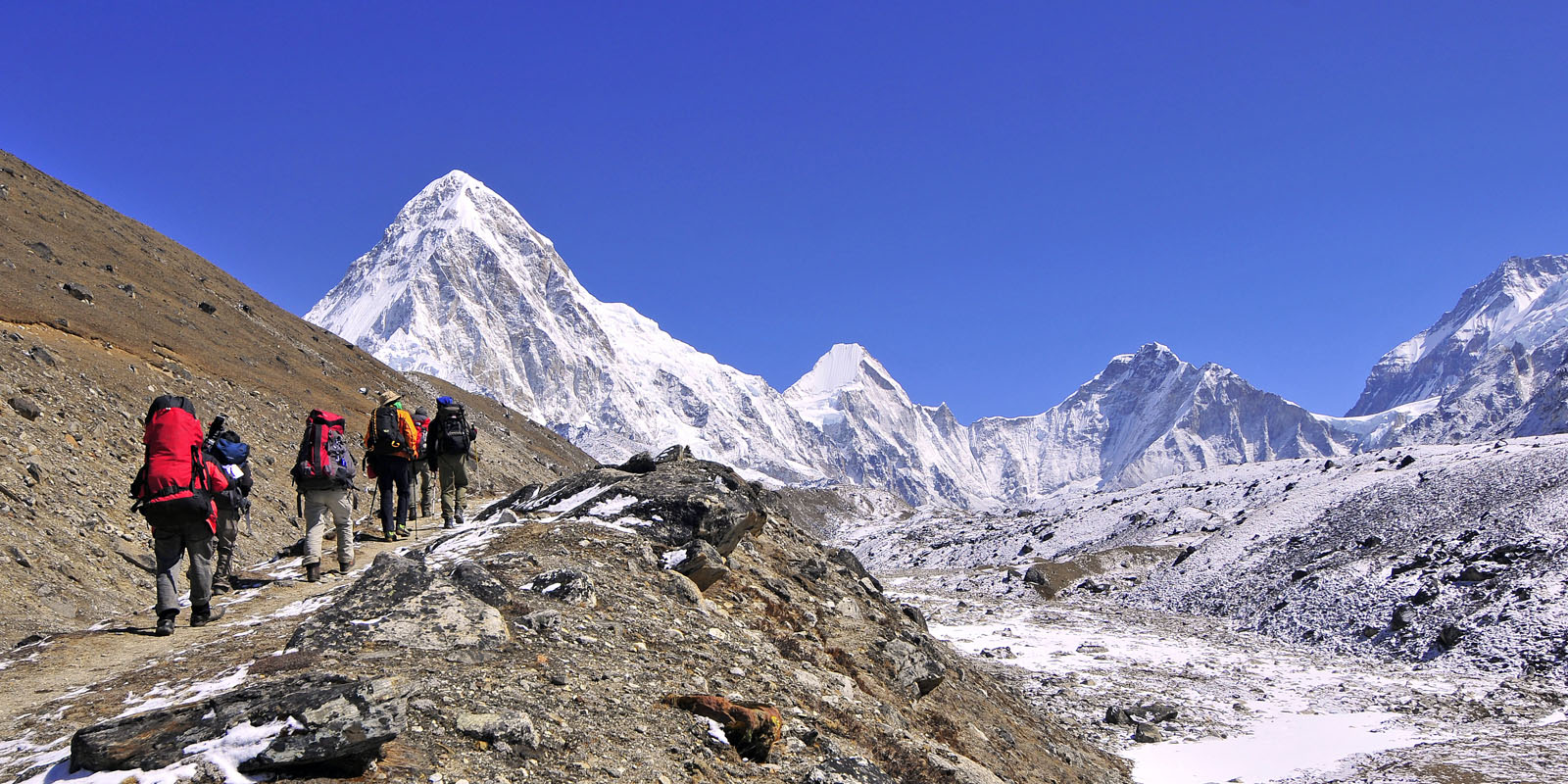
The trek provides views of some of the most iconic peaks in the world, including Everest, Lhotse, Nuptse, Ama Dablam, Thamserku, and Pumori. The scenery changes gradually from green valleys and pine forests to alpine landscapes, glaciers, and rocky high-altitude terrain.

Kala Patthar is one of the major highlights, offering one of the best panoramic views of Mount Everest and the surrounding Himalayan range.

2. Rich Sherpa Culture

The route passes through traditional Sherpa villages such as Namche Bazaar, Tengboche, Dingboche, and Lobuche. Monasteries, prayer wheels, mani stones, and fluttering prayer flags add cultural depth to the trek.

Tengboche Monastery is a particularly memorable stop, offering both spiritual atmosphere and beautiful mountain backdrops.

3. Sense of Achievement

Reaching Everest Base Camp is a powerful accomplishment. The trek demands endurance, especially at higher elevations, but the final arrival at base camp creates a strong sense of pride and satisfaction.

The achievement comes not only from reaching the destination but also from adapting to altitude, managing fatigue, and continuing through difficult days.

4. Well-Established Trekking Route

The Everest Base Camp route is one of Nepal’s most established trekking trails. Teahouses, lodges, food stops, guides, porters, and emergency services are available along the route, making it accessible compared with more remote Himalayan treks.

Although the trek is demanding, the infrastructure makes it suitable for determined beginners with proper preparation as well as experienced trekkers.

Challenges to Expect

Altitude

Altitude is the biggest challenge on the Everest Base Camp Trek. The route reaches over 5,000 meters, where oxygen levels are significantly lower. Symptoms such as headache, tiredness, loss of appetite, and disturbed sleep are common.

A slow pace, proper acclimatization, hydration, and rest days are essential.

Physical Difficulty

The trek involves long walking days, steep ascents, rocky paths, and repeated climbs and descents. Fitness matters, but steady pacing and mental resilience are equally important.

The most difficult sections are often above Dingboche, especially toward Lobuche, Gorak Shep, Everest Base Camp, and Kala Patthar.

Weather Conditions

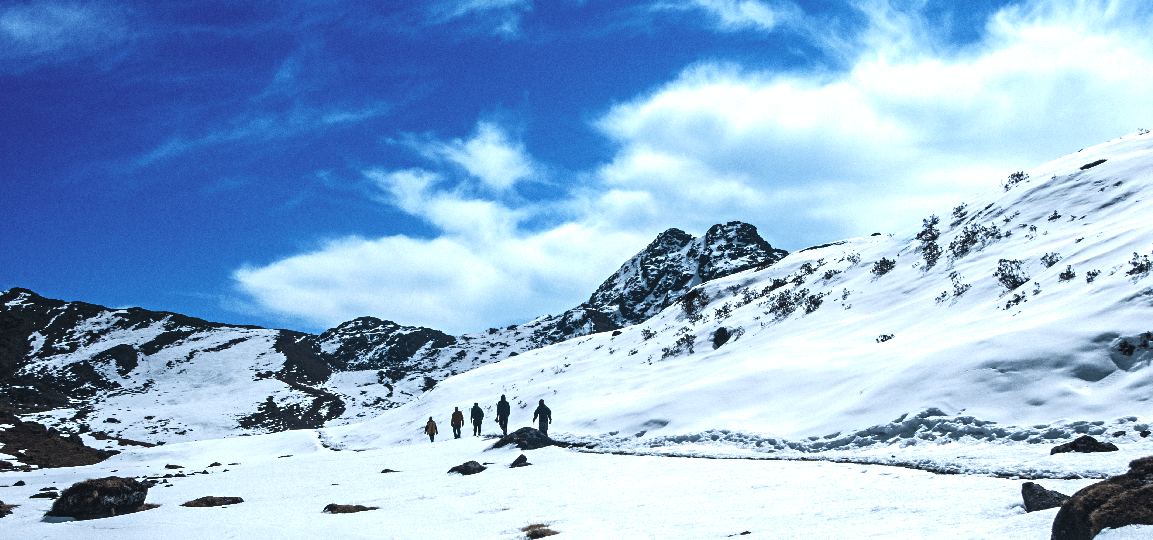
Weather in the Everest region can change quickly. Cold temperatures, wind, snow, rain, and cloudy conditions are possible, especially at higher elevations. Morning and evening temperatures can be very low.

Proper layering and weather-resistant gear are necessary.

Basic Accommodation

Teahouses along the route are comfortable enough for trekking, but facilities become more basic at higher altitudes. Rooms are simple, heating is limited, and hot showers or charging may require extra payment.

A flexible mindset helps make the experience smoother.

Best Time for the Trek

The most popular seasons are spring and autumn.

Season

Months

Experience

Spring

March to May

Clear views, warmer weather, blooming rhododendrons, active trekking season

Autumn

September to November

Stable weather, excellent visibility, dry trails, popular trekking period

Winter

December to February

Very cold, fewer trekkers, clear skies, possible snow

Monsoon

June to August

Rain, clouds, slippery trails, flight delays, fewer clear views

Spring and autumn are the best overall choices for most trekkers.

Recommended Trek Duration

A standard Everest Base Camp Trek usually takes 12 to 14 days, including acclimatization days. Shorter itineraries are possible but not ideal because they increase the risk of altitude sickness.

A comfortable itinerary should include acclimatization stops in places such as Namche Bazaar and Dingboche.

Tips for Future Trekkers

1. Choose a Gradual Itinerary

A slower itinerary improves acclimatization and increases the chance of reaching Everest Base Camp safely. Rest days should not be skipped, especially in Namche Bazaar and Dingboche.

2. Train Before the Trek

Preparation should include hiking, stair climbing, cardio training, and leg-strength exercises. Training with a backpack is helpful because it builds endurance for long trekking days.

Good fitness makes the journey more enjoyable, especially on steep climbs and high-altitude sections.

3. Pack Light but Smart

Carrying unnecessary items makes the trek harder. Essential items include warm layers, a down jacket, thermal wear, gloves, a hat, sunglasses, sunscreen, a water bottle, trekking poles, a headlamp, basic medicines, and comfortable trekking boots.

Layering is more effective than relying on one heavy item of clothing.

4. Wear Proper Footwear

Well-broken-in trekking boots are essential. New boots can cause blisters and discomfort. Good socks and blister prevention supplies are also important.

Foot comfort has a major impact on the overall trekking experience.

5. Stay Hydrated

Hydration supports acclimatization and reduces fatigue. Drinking enough water throughout the day is important, especially at higher altitudes where dehydration can happen quickly.

Water purification tablets, filters, or boiled water are commonly used on the trail.

6. Eat Enough

Appetite may reduce at altitude, but regular meals are necessary for energy. Dal bhat is a reliable and filling option available in most teahouses. Soups, noodles, potatoes, rice, pasta, eggs, and porridge are also common.

Heavy fried foods and alcohol are best avoided during high-altitude sections.

7. Walk Slowly

A slow and steady pace is one of the most important rules for the Everest Base Camp Trek. Rushing increases fatigue and altitude risk. The goal is consistent movement rather than speed.

Short breaks, controlled breathing, and steady walking help conserve energy.

8. Respect Altitude Symptoms

Headaches, nausea, dizziness, confusion, shortness of breath at rest, or worsening weakness should be taken seriously. Continuing upward with severe symptoms can be dangerous.

Guides and medical professionals should be informed immediately if symptoms become concerning.

9. Hire a Reliable Guide or Porter

A good guide improves safety, navigation, cultural understanding, and logistical ease. A porter can reduce physical strain by carrying heavier luggage, allowing more focus on the trek itself.

Using local guides and porters also supports the local economy.

10. Prepare for Lukla Flight Delays

Flights to and from Lukla are weather-dependent. Delays are common. Extra buffer days are recommended, especially before international travel or fixed commitments.

Flexibility reduces stress at the beginning and end of the trek.

11. Carry Enough Cash

ATMs are limited and may not always work in remote areas. Cash is needed for snacks, hot drinks, Wi-Fi, charging, showers, tips, and small purchases.

Prices increase with altitude because goods are transported by porters, yaks, or helicopters.

12. Protect Against the Sun and Cold

High-altitude sun can be intense, even in cold weather. Sunglasses, sunscreen, lip balm, and a hat are important. Nights and early mornings can be freezing, so warm layers are essential.

13. Respect Local Culture

The Khumbu region has deep Buddhist traditions. Monasteries, prayer flags, mani walls, and chortens should be treated respectfully. Walking clockwise around religious monuments is customary.

Polite behavior, modest clothing, and respect for local customs improve the cultural experience.

14. Keep the Trail Clean

Plastic waste and litter are serious concerns in mountain regions. Reusable bottles, responsible waste disposal, and avoiding unnecessary packaging help protect the environment.

The Everest region’s beauty depends on responsible trekking practices.

Who Should Consider This Trek

The Everest Base Camp Trek is suitable for people with good basic fitness, patience, determination, and interest in mountain landscapes. Previous high-altitude trekking experience is helpful but not required with proper preparation and a sensible itinerary.

The trek is ideal for:
-Adventure travelers
-Nature and mountain lovers
-Photographers
-Cultural travelers
-Hikers seeking a major personal challenge
-Trekkers interested in Nepal’s Himalayan region

Who May Find It Difficult

The trek may be challenging for anyone with poor fitness, limited time for acclimatization, serious respiratory or heart conditions, or discomfort with cold weather and basic accommodation.

Mental preparation is important because some days can feel long, cold, and tiring.

Final Verdict

The Everest Base Camp Trek is absolutely worth recommending. It combines natural beauty, cultural richness, physical challenge, and emotional reward in a way few treks can match. The journey is demanding, but with proper preparation, a gradual itinerary, suitable gear, and respect for altitude, it can become one of the most memorable travel experiences in Nepal.

The trek is best approached with patience rather than speed, curiosity rather than expectation, and respect for both the mountains and the local communities that make the journey possible.
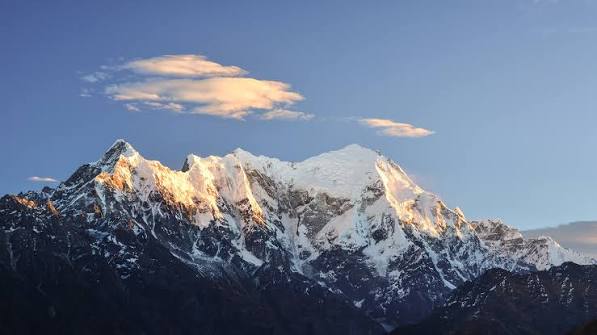
Everest Base Camp Trek Weather By Month

Based on current trekking information, here’s the Everest Base Camp trek weather by month:

BEST SEASONS
March – May (Spring) ⭐ PEAK SEASON

March: Cold but clear, 5-12°C days, -5 to -15°C nights at EBC
April: Warmer, 10-15°C days, -5 to -10°C nights, rhododendrons bloom
May: Warmest trekking month, 15-20°C days, 0 to -5°C nights, afternoon clouds increase
September – November (Autumn) ⭐ PEAK SEASON

September: Post-monsoon, 10-15°C days, -5°C nights, clearer as month progresses
October: Best visibility, stable weather, 10-15°C days, -10°C nights
November: Colder but crystal clear, 5-10°C days, -15°C nights, fewer trekkers
SHOULDER SEASONS
December – February (Winter) ❄️

December: Very cold, 5°C days, -20°C nights at EBC, clear skies but harsh
January: Coldest month, 0-5°C days, -25°C nights, many teahouses closed
February: Still very cold, slightly warmer than January, increasing daylight
June – August (Monsoon) 🌧️ NOT RECOMMENDED

June: Pre-monsoon, 15-20°C days, rain begins, clouds obscure views
July: Heavy monsoon, 15-18°C days, frequent rain, leeches, poor visibility
August: Peak monsoon, similar to July, trails muddy and slippery
QUICK RECOMMENDATIONS
✅ Best months: October, April, May, November
✅ Good for fewer crowds: March, early December
❌ Avoid: June, July, August (monsoon)
⚠️ Challenging: January, February (extreme cold)

Current date context: It’s late May 2026, so you’re at the tail end of the spring trekking season. Weather would be warm but afternoon clouds and pre-monsoon conditions may be starting.

Would you like me to create a visual guide or infographic about EBC trek weather, or do you need more specific information about any particular month?

Day Tour Near Kathmandu

Day Tour Near Kathmandu:

1. Nagarkot (32 km, ~1.5 hours)

Famous for stunning Himalayan sunrise/sunset views
On clear days, see Mt. Everest and the Himalayan range
Great for hiking and nature walks
Best visited early morning or late afternoon

2. Bhaktapur (13 km, ~30 minutes)

Ancient medieval city and UNESCO World Heritage Site
Famous for Durbar Square, pottery, and traditional Newari culture
Try the local yogurt (juju dhau) and traditional cuisine
Well-preserved temples and architecture

3. Patan (5 km, ~20 minutes)

Also called Lalitpur, known as the “City of Fine Arts”
UNESCO World Heritage Site with stunning Durbar Square
Famous for metalwork, woodcarving, and Buddhist monasteries
Patan Museum is a must-visit

4. Dhulikhel (30 km, ~1.5 hours)

Panoramic mountain views and traditional Newari town
Great for hiking and experiencing rural life
Ancient temples and peaceful atmosphere
Popular for overnight stays but perfect for day trips

5. Namobuddha (40 km, ~2 hours)

Sacred Buddhist pilgrimage site
Beautiful monastery with mountain views
Peaceful hiking trails through villages
Important religious and cultural significance

6. Kakani (29 km, ~1.5 hours)

Hill station with excellent mountain views
Strawberry farms and nature trails
Less crowded alternative to Nagarkot
Great for picnics and relaxation

7. Chandragiri Hills (7 km, ~30 minutes)

Cable car ride with panoramic valley and mountain views
Bhaleshwor Mahadev Temple at the top
Adventure park and restaurants
Easy half-day trip
Would you like me to create design materials for any of these destinations, or would you like more specific information about any particular location?

Helambu Trek Summary

Overview

Helambu Trek is a short and accessible trekking route located close to Kathmandu, offering a blend of natural beauty, cultural richness, and Himalayan scenery. Known for its serene trails, traditional Sherpa villages, and lush landscapes, the trek provides an excellent introduction to Nepal’s mountain culture without requiring long travel or extreme altitude.

Location

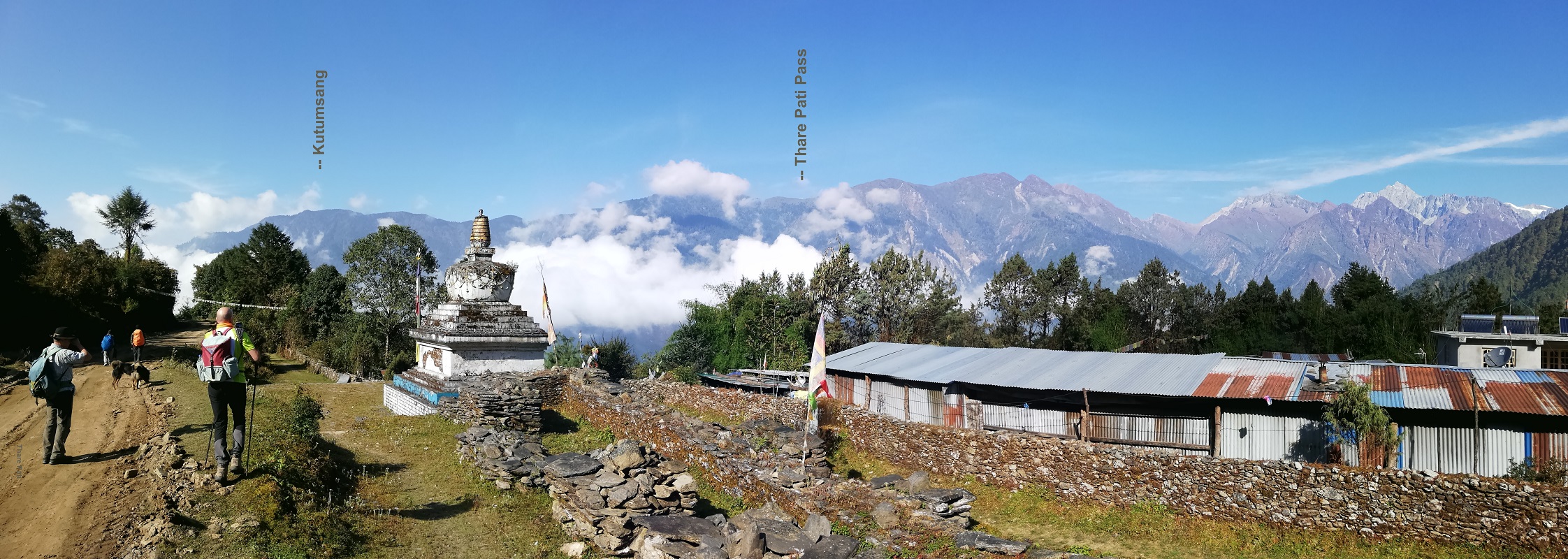
Helambu lies northeast of Kathmandu in the Langtang region. The trek usually begins from Sundarijal, a short drive from the capital, and passes through Shivapuri National Park before reaching the Helambu Valley. The route winds through villages such as Chisapani, Kutumsang, Tharepati, and Sermathang.

Highlights

  • Proximity to Kathmandu: Easily accessible, making it ideal for short treks.
  • Sherpa and Tamang Villages: Experience traditional lifestyles, monasteries, and Buddhist culture.
  • Mountain Views: Panoramic vistas of Langtang Lirung, Dorje Lakpa, and Ganesh Himal.
  • Lush Forests: Trails lined with rhododendron, oak, and pine forests.
  • Cultural Immersion: Encounters with warm local communities and ancient monasteries.

Trek Duration and Difficulty

The Helambu Trek typically takes 5–7 days, depending on the route and pace. It is considered easy to moderate, with maximum altitudes around 3,600 meters. The trek is suitable for beginners and families, requiring no prior high-altitude experience.

Permits and Regulations

Trekkers need a Langtang National Park Entry Permit and a TIMS (Trekkers’ Information Management System) card. No special or restricted area permits are required, and independent trekking is allowed.

Best Time to Visit

The best seasons for the Helambu Trek are spring (March–May) and autumn (September–November). These months offer clear skies, pleasant temperatures, and vibrant landscapes. Winter (December–February) is also possible, though colder, while the monsoon season (June–August) brings rain and leeches on lower trails.

Accommodation and Facilities

Accommodation is available in teahouses and guesthouses along the route, offering basic but comfortable lodging. Meals include Nepali and Tibetan dishes such as dal bhat, noodles, and momos. Electricity and mobile networks are available in most villages.

Cultural Insights

The Helambu region is inhabited mainly by Hyolmo (Helambu Sherpa) and Tamang communities. Their culture blends Tibetan Buddhism with local traditions. Monasteries, prayer wheels, and chortens are common along the trail, reflecting deep spiritual heritage. The area is also known for apple orchards and yak herding.

Key Facts

Feature

Details

Region

Langtang Region, Central Nepal

Starting Point

Sundarijal (near Kathmandu)

Highest Elevation

Approx. 3,600 m (Tharepati)

Duration

5–7 days

Difficulty

Easy to Moderate

Permit Required

Langtang National Park Permit, TIMS Card

Best Season

March–May, September–November

Conclusion

The Helambu Trek offers a perfect combination of accessibility, cultural depth, and scenic beauty. With its close proximity to Kathmandu, moderate difficulty, and authentic Himalayan charm, it is an ideal choice for trekkers seeking a short yet enriching experience in Nepal’s mountains.

Kanchenjunga Trek Summary

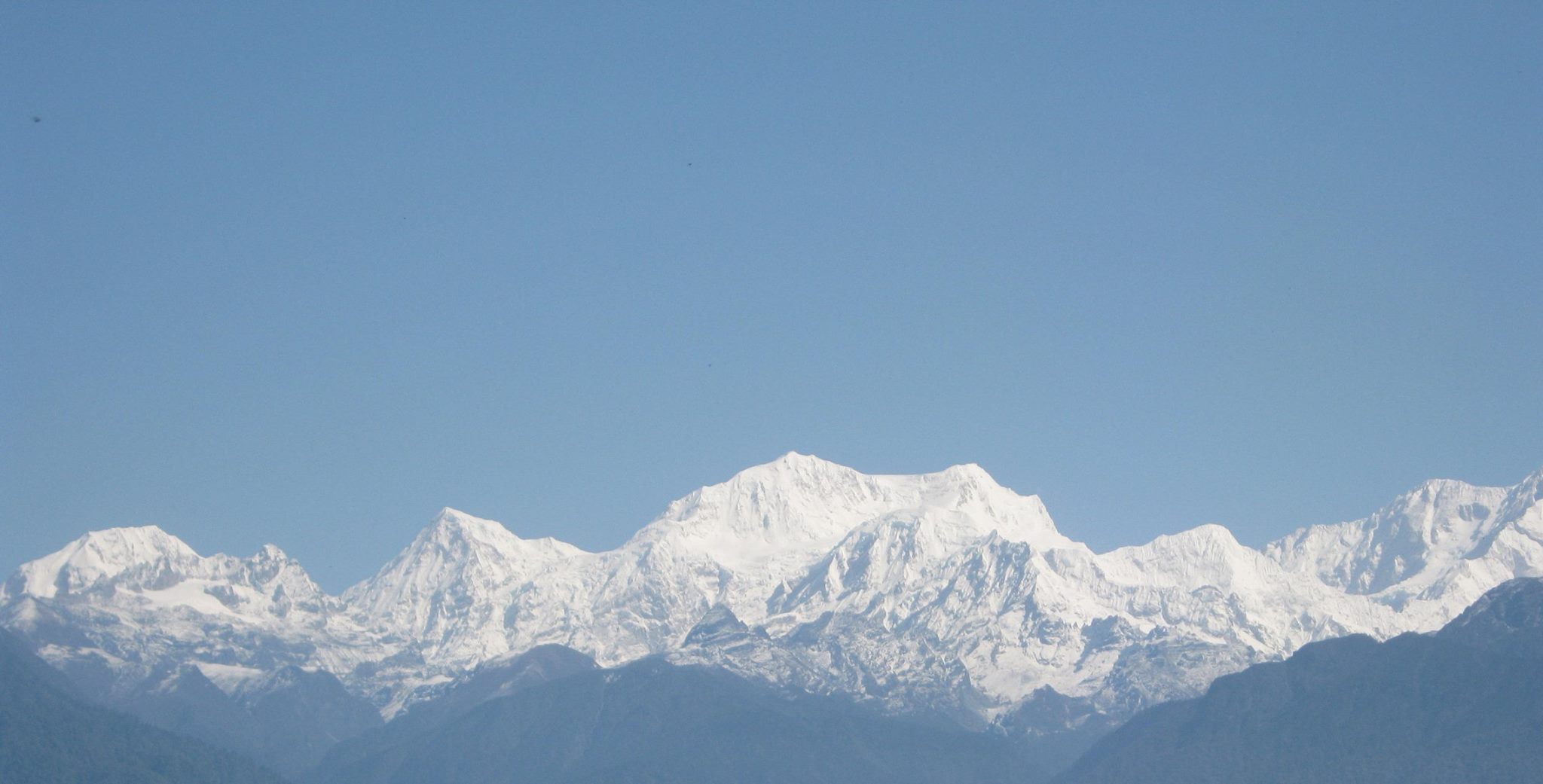
Kanchenjunga Trek Summary is an adventurous and remote trekking route in eastern Nepal, leading to the base of Mount Kanchenjunga, the world’s third-highest peak at 8,586 meters. The trek offers pristine natural beauty, diverse landscapes, and rich cultural encounters with Rai, Limbu, and Tibetan communities. It is one of Nepal’s least crowded trekking regions, ideal for those seeking solitude and authentic Himalayan experiences.

Location

Kanchenjunga lies on the border between Nepal and the Indian state of Sikkim. The trek typically begins from Taplejung, accessible by flight or road from Kathmandu via Bhadrapur or Biratnagar. The route passes through lush forests, alpine meadows, and high mountain passes leading to the North Base Camp (Pangpema) and South Base Camp (Oktang).

Highlights

  • Kanchenjunga North and South Base Camps: Panoramic views of Kanchenjunga and surrounding peaks.
  • Ghunsa Village: A traditional Tibetan settlement with monasteries and stone houses.
  • Yalung Glacier: A dramatic glacier near the South Base Camp.
  • Rich Biodiversity: Part of the Kanchenjunga Conservation Area, home to snow leopards, red pandas, and Himalayan black bears.
  • Cultural Diversity: Encounters with Rai, Limbu, Sherpa, and Tibetan communities showcasing unique traditions and hospitality.

Trek Duration and Difficulty

The Kanchenjunga Trek typically takes 20–26 days, depending on the chosen route and acclimatization schedule. It is considered challenging, involving long walking days, steep ascents, and high-altitude conditions. Physical fitness and prior trekking experience are recommended.

Permits and Regulations

The Kanchenjunga region is a restricted area, requiring a Restricted Area Permit (RAP) and a Kanchenjunga Conservation Area Permit (KCAP). Trekkers must travel with a registered guide and be part of a group of at least two people. Independent trekking is not allowed.

Best Time to Visit

The best seasons for the Kanchenjunga Trek are spring (March–May) and autumn (September–November). During these months, the weather is stable, skies are clear, and mountain views are at their best. The monsoon season (June–August) brings heavy rainfall, while winter (December–February) can be extremely cold and snowy at higher elevations.

Accommodation and Facilities

Accommodation is primarily in teahouses and local lodges, though facilities are basic compared to more popular trekking routes. Meals include traditional Nepali dishes such as dal bhat, noodles, and Tibetan bread. Electricity and communication services are limited in remote areas.

Cultural Insights

The Kanchenjunga region is home to diverse ethnic groups, each with distinct languages, customs, and festivals. The Limbu and Rai communities practice animism and ancestor worship, while Tibetan Buddhist influences are evident in monasteries and prayer flags along the trail. The trek offers deep cultural immersion alongside natural beauty.

Key Facts

Feature

Details

Region

Eastern Nepal (Taplejung District)

Starting Point

Taplejung

Highest Elevation

Approx. 5,143 m (Pangpema)

Duration

20–26 days

Difficulty

Challenging

Permit Required

Restricted Area Permit, KCAP

Best Season

March–May, September–November

Conclusion

The Kanchenjunga Trek is a remote and rewarding journey through one of Nepal’s most untouched mountain regions. With its towering peaks, diverse ecosystems, and vibrant local cultures, it offers an unparalleled adventure for experienced trekkers seeking solitude and authenticity in the Himalayas.

Upper Mustang Trek Summary

Overview

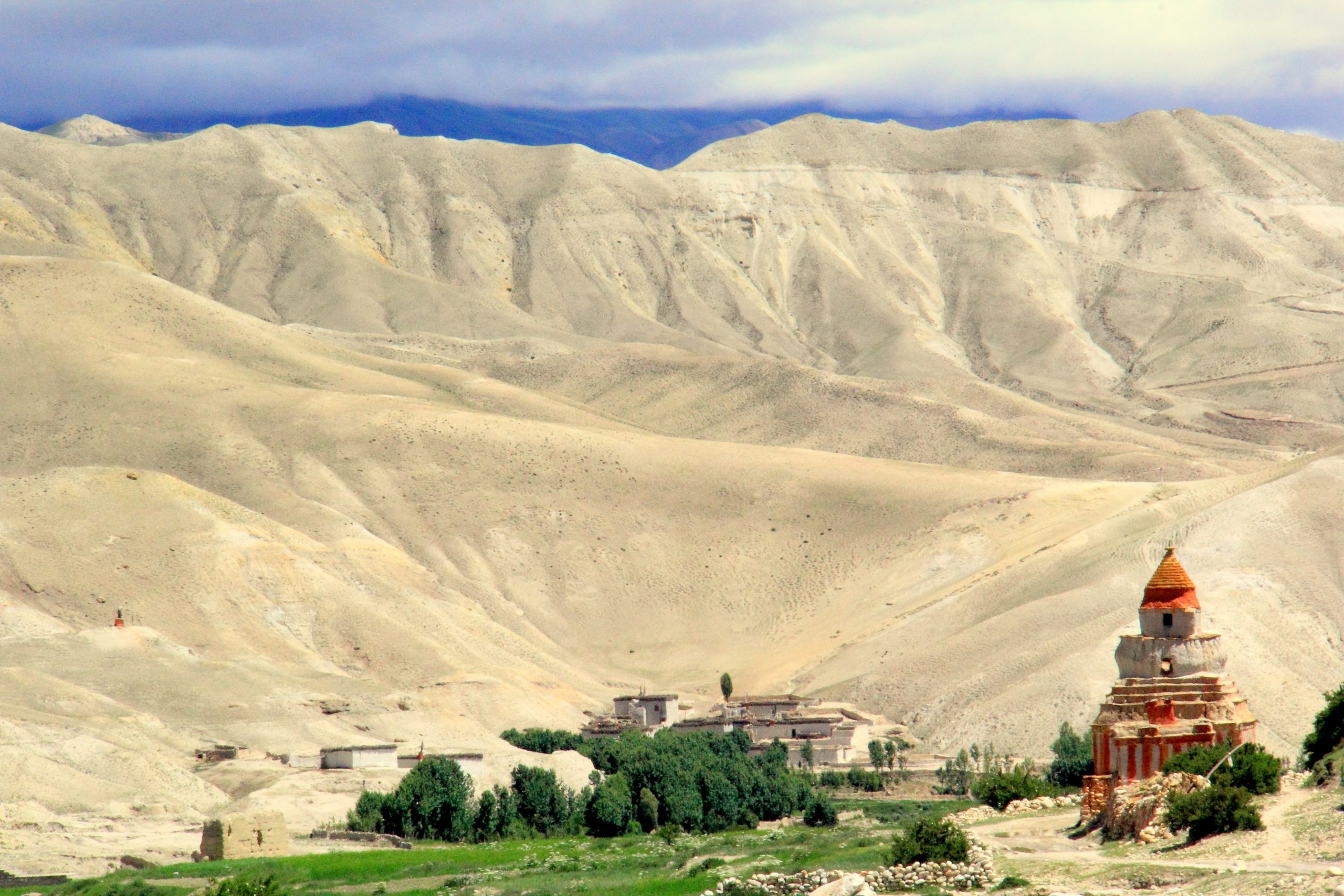
Upper Mustang Trek is a journey through the remote and culturally rich region of Mustang in north-central Nepal. Known as the “Last Forbidden Kingdom,” Upper Mustang offers a rare glimpse into traditional Tibetan culture, ancient monasteries, and dramatic desert-like landscapes. The region was restricted to outsiders until 1992, preserving its unique heritage and way of life.

Location

Upper Mustang lies in the rain shadow of the Annapurna and Dhaulagiri ranges, bordering Tibet. The trek typically begins in Jomsom, accessible by a short flight from Pokhara, and continues north toward Lo Manthang, the ancient walled capital of the former Kingdom of Lo.

Highlights

  • Lo Manthang: The walled city with centuries-old monasteries, royal palaces, and traditional mud-brick houses.
  • Chhoser Caves: Ancient man-made caves carved into cliffs, believed to have been used for meditation and shelter.
  • Kagbeni Village: A picturesque settlement marking the gateway to Upper Mustang.
  • Tibetan Buddhist Culture: Monasteries, prayer flags, and chortens reflecting deep spiritual traditions.
  • Desert Landscapes: Stark cliffs, eroded canyons, and colorful rock formations resembling the Tibetan Plateau.

Trek Duration and Difficulty

The trek usually takes 12–15 days, depending on the route and pace. It is considered moderate in difficulty, with altitudes reaching up to 4,200 meters. While not technically challenging, trekkers should be prepared for dry, windy conditions and limited facilities.

Permits and Regulations

Upper Mustang is a restricted area, requiring a special permit issued by the Nepalese government. Trekkers must travel with a registered guide and be part of a group of at least two people. The Restricted Area Permit (RAP) costs approximately USD 500 for the first 10 days, with additional fees for extended stays.

Best Time to Visit

The best seasons for the Upper Mustang Trek are spring (March–May) and autumn (September–November). The region lies in a rain shadow, making it one of the few treks in Nepal suitable even during the monsoon months (June–August).

Accommodation and Facilities

Accommodation consists mainly of teahouses and local lodges offering basic amenities. Meals typically include Nepali and Tibetan dishes such as dal bhat, noodles, and momos. Electricity and internet access are limited in remote areas.

Cultural Insights

Upper Mustang retains strong ties to Tibetan Buddhism. Festivals such as Tiji, celebrated in Lo Manthang, showcase masked dances and rituals symbolizing the triumph of good over evil. The region’s isolation has helped preserve its language, customs, and architecture.

Key Facts

Feature

Details

Region

Mustang District, Nepal

Starting Point

Jomsom

Highest Elevation

Approx. 4,200 m

Duration

12–15 days

Difficulty

Moderate

Permit Required

Restricted Area Permit (RAP)

Best Season

March–May, September–November

Conclusion

The Upper Mustang Trek offers a rare combination of adventure, culture, and history. Its remote trails, ancient monasteries, and preserved Tibetan heritage make it one of Nepal’s most distinctive and rewarding trekking experiences.

Chisopani Nagarkot Trekking

Chisopani Nagarkot Trek is a short and scenic trekking route near Kathmandu, ideal for those seeking a taste of Nepal’s natural beauty and cultural charm without venturing far from the capital. This trek offers panoramic views of the Himalayas, peaceful forest trails, and insights into rural village life. It is suitable for beginners, families, and travelers with limited time.

Duration

Typically lasting 2 to 3 days, the trek can be customized based on time and fitness level. It starts from Sundarijal, a short drive from Kathmandu, and ends at Nagarkot or Changunarayan.

Route Highlights

  • Sundarijal (1,460 m): The starting point, known for its waterfalls and entrance to Shivapuri National Park.
  • Chisopani (2,215 m): A small village offering stunning sunrise and sunset views over the Langtang and Ganesh Himal ranges.
  • Nagarkot (2,175 m): A popular hill station famous for its panoramic Himalayan views, including Mount Everest on clear days.
  • Changunarayan (1,540 m): The endpoint of the trek, home to one of the oldest Hindu temples in the Kathmandu Valley, a UNESCO World Heritage Site.

Scenery and Experience

The trail passes through Shivapuri National Park, featuring dense forests of oak, pine, and rhododendron. Trekkers encounter terraced farmlands, traditional Tamang and Newar villages, and sweeping mountain vistas. On clear mornings, peaks such as Langtang, Dorje Lakpa, Gaurishankar, and even Everest can be seen from Nagarkot.

Difficulty Level

The trek is easy to moderate, suitable for all age groups and fitness levels. Daily walking ranges from 4 to 6 hours, with gentle ascents and descents. No prior trekking experience is required.

Best Time to Trek

  • Autumn (September to November): Clear skies and pleasant temperatures.
  • Spring (March to May): Blooming rhododendrons and mild weather.
  • Winter (December to February): Cold mornings but clear mountain views.
  • Monsoon (June to August): Lush greenery but occasional rain and slippery trails.

Accommodation and Food

Teahouses and lodges along the route provide comfortable accommodation and local meals. Typical dishes include Nepali dal bhat, noodles, soups, and tea. Facilities are basic but cozy, offering a warm local experience.

Cultural Insights

The trek passes through villages inhabited by Tamang and Newar communities, allowing visitors to observe traditional lifestyles, architecture, and farming practices. The final stop at Changunarayan offers a glimpse into Nepal’s ancient art and religious heritage.

Highlights

  • Close proximity to Kathmandu
  • Panoramic Himalayan views
  • Sunrise and sunset viewpoints at Chisopani and Nagarkot
  • Cultural encounters with local communities
  • Visit to the historic Changunarayan Temple

Conclusion

The Chisopani Nagarkot Trek is a perfect short adventure combining nature, culture, and mountain scenery. It provides a refreshing escape from city life and a rewarding introduction to Nepal’s trekking experience, all within a few days’ journey from Kathmandu.

Monsoon Season in Nepal

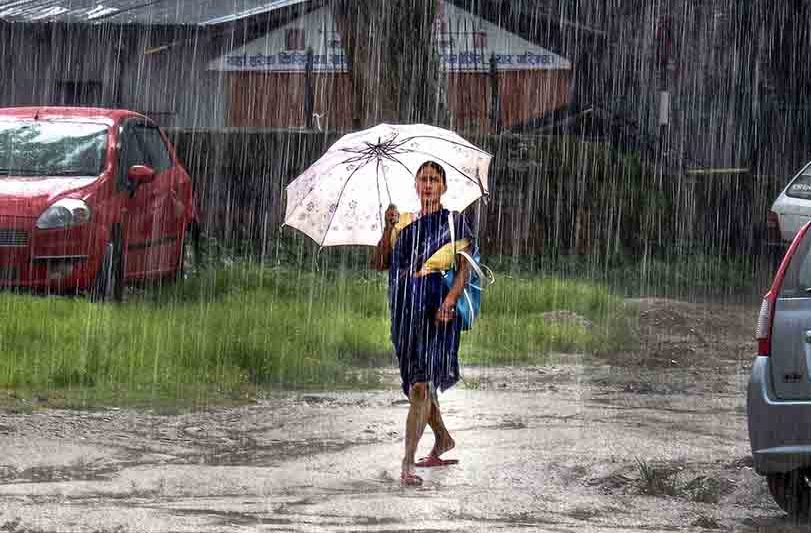
Monsoon season in Nepal is a period of heavy rainfall and lush greenery, typically lasting from June to September. It is driven by the southwest monsoon winds that bring moisture from the Bay of Bengal, resulting in frequent rain showers across the country. This season plays a vital role in Nepal’s agriculture but also affects travel and trekking conditions.

Duration

  • Start: Early June
  • Peak: July and August
  • End: Late September

Rainfall gradually decreases toward the end of September, marking the transition into the clear and dry autumn season.

Weather Characteristics

  • Temperature: Warm and humid, especially in the lowlands and mid-hills. Average temperatures range from 20°C to 30°C in most regions.
  • Rainfall: Heavy and frequent, particularly in central and eastern Nepal. The southern plains (Terai) and hilly regions receive the most rain, while the northern rain-shadow areas like Mustang and Dolpo remain relatively dry.
  • Visibility: Cloud cover often obscures mountain views, and trails can become muddy or slippery.

Regional Variations

  • Terai Region: Experiences intense rainfall and high humidity, sometimes leading to flooding.
  • Hill Region (Kathmandu, Pokhara): Frequent afternoon and evening showers with occasional thunderstorms.
  • Mountain Region: Rainfall is lighter in high-altitude areas, but landslides can occur on lower slopes.
  • Rain-Shadow Areas (Mustang, Dolpo, Manang): Remain mostly dry and are ideal for trekking during the monsoon.

Impact on Travel and Trekking

  • Trekking: Most popular trekking routes, such as Everest Base Camp and Annapurna Circuit, are less favorable due to slippery trails and leeches. However, treks in rain-shadow regions like Upper Mustang and Dolpo are excellent alternatives.
  • Transportation: Flights and road travel can be disrupted by poor visibility, landslides, or flooding.
  • Tourism: Fewer tourists visit during this season, making it a quieter time for those seeking solitude.

Agriculture and Environment

The monsoon is essential for Nepal’s agriculture, replenishing water sources and supporting rice cultivation, the country’s staple crop. The landscape becomes vibrant and green, with rivers and waterfalls at their fullest.

Advantages of Visiting During Monsoon

  • Lush, green scenery and blooming vegetation
  • Fewer crowds at major tourist sites
  • Lower accommodation and travel costs
  • Opportunities for photography of dramatic skies and landscapes

Conclusion

The monsoon season in Nepal, from June to September, brings both challenges and beauty. While heavy rains can affect travel and trekking, the season transforms the country into a lush, vibrant landscape and sustains its agricultural life. For travelers seeking a quieter, more authentic experience, the monsoon months offer a unique perspective on Nepal’s natural and cultural richness.

Everest Base Camp Trek -12-14 Days

Everest Base Camp Trek 12-14 Days is one of the most iconic trekking adventures in the world, offering breathtaking views of the Himalayas and a deep cultural experience in the heart of Nepal. The trek leads to the base of Mount Everest, the world’s highest peak, standing at 8,848 meters (29,029 feet). It combines natural beauty, cultural immersion, and physical challenge, making it a bucket-list journey for trekkers worldwide.

Location

The trek is located in the Khumbu region of northeastern Nepal, within the Sagarmatha National Park, a UNESCO World Heritage Site. The journey typically begins with a flight from Kathmandu to Lukla, a small mountain airstrip known as the gateway to Everest.

Duration

The standard trek takes about 12–14 days, depending on the itinerary and acclimatization schedule. This includes time for rest days to adjust to the high altitude.

Route Highlights

  • Lukla (2,860 m): Starting point of the trek, known for its scenic airstrip.
  • Phakding (2,610 m): A riverside village offering the first glimpse of Sherpa culture.
  • Namche Bazaar (3,440 m): The main trading hub of the Khumbu region, famous for its markets and mountain views.
  • Tengboche (3,860 m): Home to the Tengboche Monastery, the largest in the region, with panoramic views of Everest, Ama Dablam, and Lhotse.
  • Dingboche (4,410 m): A key acclimatization stop surrounded by stunning peaks.
  • Lobuche (4,940 m): A small settlement near the Khumbu Glacier.
  • Gorak Shep (5,164 m): The final stop before reaching Everest Base Camp.
  • Everest Base Camp (5,364 m): The ultimate destination, offering close-up views of the Khumbu Icefall and the base of Mount Everest.
  • Kala Patthar (5,545 m): A popular viewpoint for sunrise and panoramic views of Everest and surrounding peaks.

Scenery and Experience

Everest Base Camp trek 12-14 days passes through diverse landscapes, from lush forests of rhododendron and pine to barren alpine terrain. Trekkers encounter suspension bridges, glacial rivers, and traditional Sherpa villages. The region is rich in Buddhist culture, with prayer flags, mani stones, and monasteries along the trail.

Difficulty and Preparation

The EBC trek is considered moderately challenging. It does not require technical climbing skills but demands good physical fitness and proper acclimatization due to high altitude. Trekkers should be prepared for long walking days, cold temperatures, and varying weather conditions.

Best Time to Trek

  • Spring (March to May): Clear skies, blooming rhododendrons, and moderate temperatures.
  • Autumn (September to November): Stable weather and excellent visibility. Winter and monsoon seasons are less favorable due to extreme cold and heavy rainfall, respectively.

Accommodation and Food

Teahouses along the route provide basic lodging and meals. Typical food includes rice, noodles, soups, and traditional Nepali dishes like dal bhat. Facilities become more basic at higher altitudes.

Cultural Insights

The trek offers a chance to experience Sherpa hospitality and learn about their traditions, religion, and mountaineering heritage. Monasteries and prayer wheels reflect the deep spiritual connection of the local people to the mountains.

Conclusion

The Everest Base Camp Trek is a once-in-a-lifetime adventure that combines natural grandeur, cultural richness, and personal achievement. Standing at the foot of the world’s highest mountain is an unforgettable experience that inspires awe and respect for the Himalayas.

Booking FAQ

Do you run and organize regular trips?

Booking FAQ we do run regular trips within the Himalayan Himalaya region on our fixed departure dates to various destinations from trekking, climbing, and tours as well as organizing trips for private groups, like family, school/college groups to corporate people if our departure does not suit some people, as per their holidays for Nepal. Regular trips that we run depend upon the number of people in the group this makes it affordable to interested travelers joining the group rather than in a smaller group, where we run trips guided by our professional guides and tour escorts, managed by and well looked after by our diligent office staff taking care of all booking in a smooth manner to make every trip of our a winner with well-satisfied clients.

We have a big group of people of varied ages do you handle a large number in one group?

Bigger the group is more enjoyable and sharing each other knowledge of various subjects makes the trip more interesting where people get in to know each- other very well. As we have expert and veteran guides and staff to manage big and smaller groups offering the same quality services, in past decades since the company began its operation we had larger groups on longer trips as well, with our professional and expertise in tourism fields yes we can handle all big groups, whatever the size we are at your services. Bigger groups are best as prices differ for a smaller number of people in the group, which makes clients much more at ease to afford the holiday in the Himalayas in bigger groups where discounts apply according to the size of the group.

What accommodations options can I change?

As per the trip cost and itineraries with other details including full information in our included and excluded, we do mention accommodation using the best tourist standard hotels while in Kathmandu-Pokhara Chitwan or at Nepalgunj (for far western destinations) we also provide accommodation on 2-3 star class hotels. Where clients can have the option to upgrade the standard of accommodation from budget to standard or deluxe 4 to 5 stars hotels and resorts, on the normally fixed trip cost we use tourist standard or 2-3 stars hotels.

What are the conditions when some member of the group cancels the trip?

Booking FAQ: All our trips are guaranteed to run as per the season and destinations wise no matter what the group’s size is, even if some clients in the group cancel or get delayed reaching the trip departures due to their own domestic or job vacation problem. In this case, depending upon the trip departure if cancelled earlier will get some refund as per the duration of booking and trip departures dates if it happens in the last hour refund will not be entertained, although the company can make a letter to one insurance company reasons for cancellation and price involved in booking the promised trips with us.

What are the fees to confirm space and booking?

Booking FAQ: As per company rules and policy in order to book a space for respective Himalayan trips, one requires paying in advance a minimum of 25 % of the total trip cost for Nepal holidays only. Bhutan and Tibet need to send us a minimum of 60 % to confirm you’re booking where rules and regulations in these neighboring Himalayas countries are different from Nepal.

Is advance payment on booking necessary?

To be on the safe side assuming your confirmation for related trips after receiving minimum advance payment as the deposit for your holiday in Nepal with us, the advance payment will help us to organize your tour and treks well in advance like allocating guides, buses or coach (for treks and tour that involves overland journey) as well booking seats on domestic flights as per the itinerary was chosen.

When do I pay the remaining trip balance?

Remaining trip cost balance should be made on arrival in Kathmandu before your trip departure in cash or in Credit Card (where a 3.75 % surcharge is added to the total balance payment). Paying cash should be in convertible currencies like US $, British Sterling Pounds, Euro, Swiss / French Francs, Singapore and Australian $ and Chines Yuan.

What happens if I am not able to do the trek do I get a refund?

Booking FAQ: In this case, where you will not be entertained or get reimbursed for the actual trip cost, it depends upon the cancellation notice and information at the earliest a month back after you booked, where you can get the money after getting deducted some percentage from the company. For last-minute cancellations and no-show situations, where no refund will be made, however, we will adjust the cost for the next trip if interested in postponing holidays in Nepal or any Himalayan countries. Where the company will issue a letter regarding your cancellation so that you can claim from your travel-related insurance.

Will I get my money back, if I am unable to complete this trek?

We have strongly mentioned in our terms and conditions policy that quitting the current trip is due to a medical or personal problem where no refund will be made. Where clients have to bear / her own expenses on the way back to Kathmandu on early return, where the company will serve them with an escort to accompany them back.

What are the right sizes for a group?

Minimum of 4-6 or 8-10 pax is the perfect size in a group, this allows you to enjoy with more people joining you on the trip, prices also differ with more people the cost will be at its best.

How early should I get prepared and plan the trip of my choice?

A minimum of 2-3 months ahead will be the best this allows for you to prepare well, and we recommend you some tips for exercise and health care related to the trek chosen, early birds catch the worm as the saying goes where early booking and planning will make you prepare at your best.

Should I need to send and inform the company of my physical/medical certificate and dietary?

When you book the trip chose with us where health and sound medical and physical fitness will be good to know, as some Himalayan trails can be strenuous and tough for some days, sending your physical and medical background will be good so that we can advise you the toughness and grade of the treks and other Himalayan journey and follow with your dietary on meals on treks.

Is there an age restriction for adventure around Himalayan trips?

Depends upon the area of destinations chosen for long and tough adventurous and challenging treks where age and fitness level requires. Most insurance does not allow medical insurance for people of 60 years and above, for other moderate and short holidays and adventures will be okay for all age groups, as long one is physically fit and in sound health.

Do you suggest trekking and exercising for the trip booked?

To make your trip highly successful where fitness level with healthy medical background and sound will be an advantage for you and us to enjoy trekking, as we highly recommend some physical exercise to maintain your body for an upcoming trek in the Himalaya with us.

Is tipping compulsory?

Booking FAQ: Tipping is gratitude after you enjoyed the services rendered by our guides and staff to make the trip a success and winner. it is not mandatory but has been a custom and tradition around Himalayan countries. since bygone days after offering good loyal service where tipping or gratitude has been made compulsory and highly expected. As you can contribute as per your budget after achieving enjoyable. excellent times and getting full information of the region from our guides as well porters who are also a part of the family on trekking.

What happens in case of bad and unfavorable weather conditions?

Himalayan weather even in good seasons of Spring-Autumn / fall and winter can lead to the worst weather, which is hard to predict and can be unreliable sometimes. For moderate short treks and tours, it won’t hamper most only for longer duration trips and climbing peaks with trekking that involves high passes to cross and traverse from one area to another.

Sometimes weather plays an important role if flying in and out of mountainous areas like Lukla-Taplejung-Tumlingtar-Dolpa-Jomsom and Rara area as a flight can be obstructed for some days, in this situation just be positive where the company will make all necessary arrangement within our limit and control.

Where other options like taking a chopper or extending the number of days in the itinerary might occur, in this type of situation bad weather, flight cancellation, and landslides, heavy snow on the tracks and passes or other calamities that happen related to bad weather.

Which currencies are accepted?

In the first place paying the balance payment in cash will be the US $, we also accept major convertible currencies like EuroSwiss Franc to UK sterling pound, including Australian and Singapore $.

Exchange rates in Nepal for foreign currencies?

Nearly every day selling and buying price of respective major currencies differs, we follow the main Standard Bank of Nepal where the price is at the best than other local money changers (affiliated and certified by major banks of the
country).

Do all guides communicate in the English language?

Booking FAQ: When it comes to serving and communicating with foreign guests and customers where English is the first chosen language, where all our guides and people attached to the tourism industry can speak and understands English as the main communication when dealing with our valuable guests.

We also provide guides for other foreign languages besides English on request; our guides are experts and well-versed in taking care of our clients to make the holiday with us enjoyable and memorable.

What maximum weight can a porter carry?

25-30 kg is the maximum weight carried by porters and as per rules of PAC (Porters Association) and tourism government regulations, even though they can carry much more than the actual standard weight allowed. On treks, loads are divided according to the number of pax and baggage where each porter carries two people’s bigger bags as per the weight limitation.

How much weight is allowed on domestic airlines?

Booking FAQ: As per rules of respective domestic airlines and international civil aviation weight limitations up to 15 kg per passenger not counting your day-packs or handbags, assuming a 3-5 kg maximum which will be carried by you inside the plane.

Do all hotels in Kathmandu have a safety box and locker facility for storing extra personal belongings not required for the treks or long tours?

All hotels that we provide as per the itinerary and cost-wise do have a safety box and safe lockers for your valuables till you withdraw after your tour and treks. Store available to keep your other extra baggage with items not required for the treks or another longer tour, where you will receive a baggage tag so that you can claim on return from the trip.

How are your trips compared to other companies?

Booking FAQ: We are the renowned and most reputed adventure and cultural company offering something different to other local companies, where all our trips cost is transparent without cutting any corners in providing excellent services to our guests, which makes our company always active with the repeated flow of same clients with full of trust and leaves home with satisfaction after using our great services.

Besides our quality services, the main reason is proper management and excellent working knowledge of office and field staff including guides and drivers. Our guides have much to offer with full knowledge of a wide subjects to offer from flora-fauna, history, cultures, and religions of the places on a route with a sense of humor to entertain our customers during your enjoyable holidays with us as well versed with medical side if required.