Upper Mustang Trek Summary
Overview
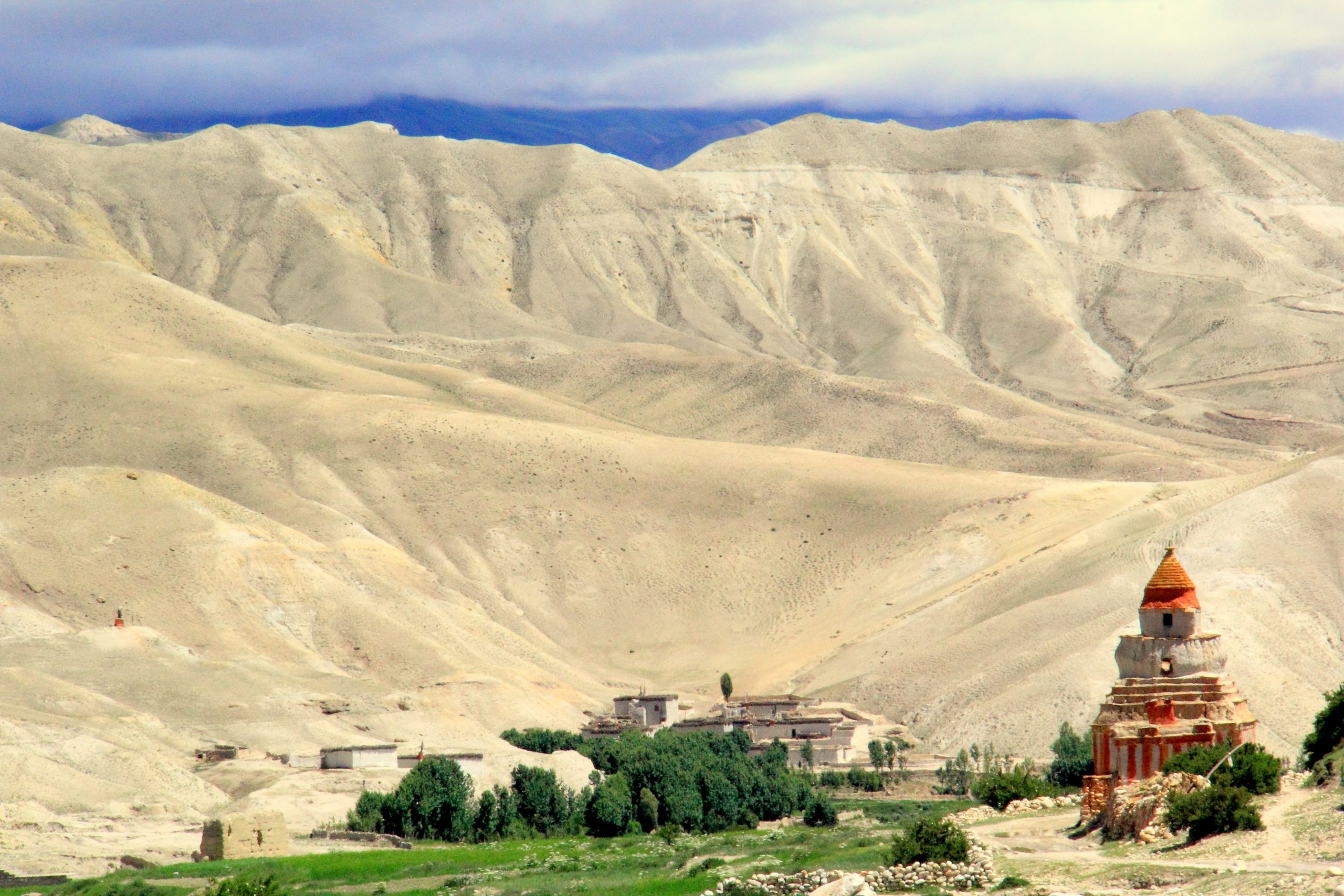
Upper Mustang Trek is a journey through the remote and culturally rich region of Mustang in north-central Nepal. Known as the “Last Forbidden Kingdom,” Upper Mustang offers a rare glimpse into traditional Tibetan culture, ancient monasteries, and dramatic desert-like landscapes. The region was restricted to outsiders until 1992, preserving its unique heritage and way of life.
Location
Upper Mustang lies in the rain shadow of the Annapurna and Dhaulagiri ranges, bordering Tibet. The trek typically begins in Jomsom, accessible by a short flight from Pokhara, and continues north toward Lo Manthang, the ancient walled capital of the former Kingdom of Lo.
Highlights
- Lo Manthang: The walled city with centuries-old monasteries, royal palaces, and traditional mud-brick houses.
- Chhoser Caves: Ancient man-made caves carved into cliffs, believed to have been used for meditation and shelter.
- Kagbeni Village: A picturesque settlement marking the gateway to Upper Mustang.
- Tibetan Buddhist Culture: Monasteries, prayer flags, and chortens reflecting deep spiritual traditions.
- Desert Landscapes: Stark cliffs, eroded canyons, and colorful rock formations resembling the Tibetan Plateau.
Trek Duration and Difficulty
The trek usually takes 12–15 days, depending on the route and pace. It is considered moderate in difficulty, with altitudes reaching up to 4,200 meters. While not technically challenging, trekkers should be prepared for dry, windy conditions and limited facilities.
Permits and Regulations
Upper Mustang is a restricted area, requiring a special permit issued by the Nepalese government. Trekkers must travel with a registered guide and be part of a group of at least two people. The Restricted Area Permit (RAP) costs approximately USD 500 for the first 10 days, with additional fees for extended stays.
Best Time to Visit
The best seasons for the Upper Mustang Trek are spring (March–May) and autumn (September–November). The region lies in a rain shadow, making it one of the few treks in Nepal suitable even during the monsoon months (June–August).
Accommodation and Facilities
Accommodation consists mainly of teahouses and local lodges offering basic amenities. Meals typically include Nepali and Tibetan dishes such as dal bhat, noodles, and momos. Electricity and internet access are limited in remote areas.
Cultural Insights
Upper Mustang retains strong ties to Tibetan Buddhism. Festivals such as Tiji, celebrated in Lo Manthang, showcase masked dances and rituals symbolizing the triumph of good over evil. The region’s isolation has helped preserve its language, customs, and architecture.
Key Facts
|
Feature |
Details |
|---|---|
|
Region |
Mustang District, Nepal |
|
Starting Point |
Jomsom |
|
Highest Elevation |
Approx. 4,200 m |
|
Duration |
12–15 days |
|
Difficulty |
Moderate |
|
Permit Required |
Restricted Area Permit (RAP) |
|
Best Season |
March–May, September–November |
Conclusion
The Upper Mustang Trek offers a rare combination of adventure, culture, and history. Its remote trails, ancient monasteries, and preserved Tibetan heritage make it one of Nepal’s most distinctive and rewarding trekking experiences.
 Have Questions?