Monsoon Season in Nepal
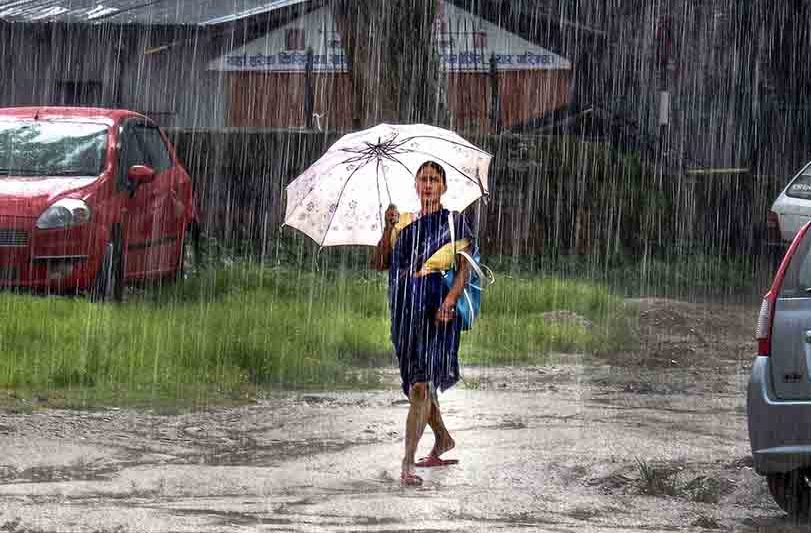
Monsoon season in Nepal is a period of heavy rainfall and lush greenery, typically lasting from June to September. It is driven by the southwest monsoon winds that bring moisture from the Bay of Bengal, resulting in frequent rain showers across the country. This season plays a vital role in Nepal’s agriculture but also affects travel and trekking conditions.
Duration
- Start: Early June
- Peak: July and August
- End: Late September
Rainfall gradually decreases toward the end of September, marking the transition into the clear and dry autumn season.
Weather Characteristics
- Temperature: Warm and humid, especially in the lowlands and mid-hills. Average temperatures range from 20°C to 30°C in most regions.
- Rainfall: Heavy and frequent, particularly in central and eastern Nepal. The southern plains (Terai) and hilly regions receive the most rain, while the northern rain-shadow areas like Mustang and Dolpo remain relatively dry.
- Visibility: Cloud cover often obscures mountain views, and trails can become muddy or slippery.
Regional Variations
- Terai Region: Experiences intense rainfall and high humidity, sometimes leading to flooding.
- Hill Region (Kathmandu, Pokhara): Frequent afternoon and evening showers with occasional thunderstorms.
- Mountain Region: Rainfall is lighter in high-altitude areas, but landslides can occur on lower slopes.
- Rain-Shadow Areas (Mustang, Dolpo, Manang): Remain mostly dry and are ideal for trekking during the monsoon.
Impact on Travel and Trekking
- Trekking: Most popular trekking routes, such as Everest Base Camp and Annapurna Circuit, are less favorable due to slippery trails and leeches. However, treks in rain-shadow regions like Upper Mustang and Dolpo are excellent alternatives.
- Transportation: Flights and road travel can be disrupted by poor visibility, landslides, or flooding.
- Tourism: Fewer tourists visit during this season, making it a quieter time for those seeking solitude.
Agriculture and Environment
The monsoon is essential for Nepal’s agriculture, replenishing water sources and supporting rice cultivation, the country’s staple crop. The landscape becomes vibrant and green, with rivers and waterfalls at their fullest.
Advantages of Visiting During Monsoon
- Lush, green scenery and blooming vegetation
- Fewer crowds at major tourist sites
- Lower accommodation and travel costs
- Opportunities for photography of dramatic skies and landscapes
Conclusion
The monsoon season in Nepal, from June to September, brings both challenges and beauty. While heavy rains can affect travel and trekking, the season transforms the country into a lush, vibrant landscape and sustains its agricultural life. For travelers seeking a quieter, more authentic experience, the monsoon months offer a unique perspective on Nepal’s natural and cultural richness.
 Have Questions?