Everest Base Camp Trek -12-14 Days
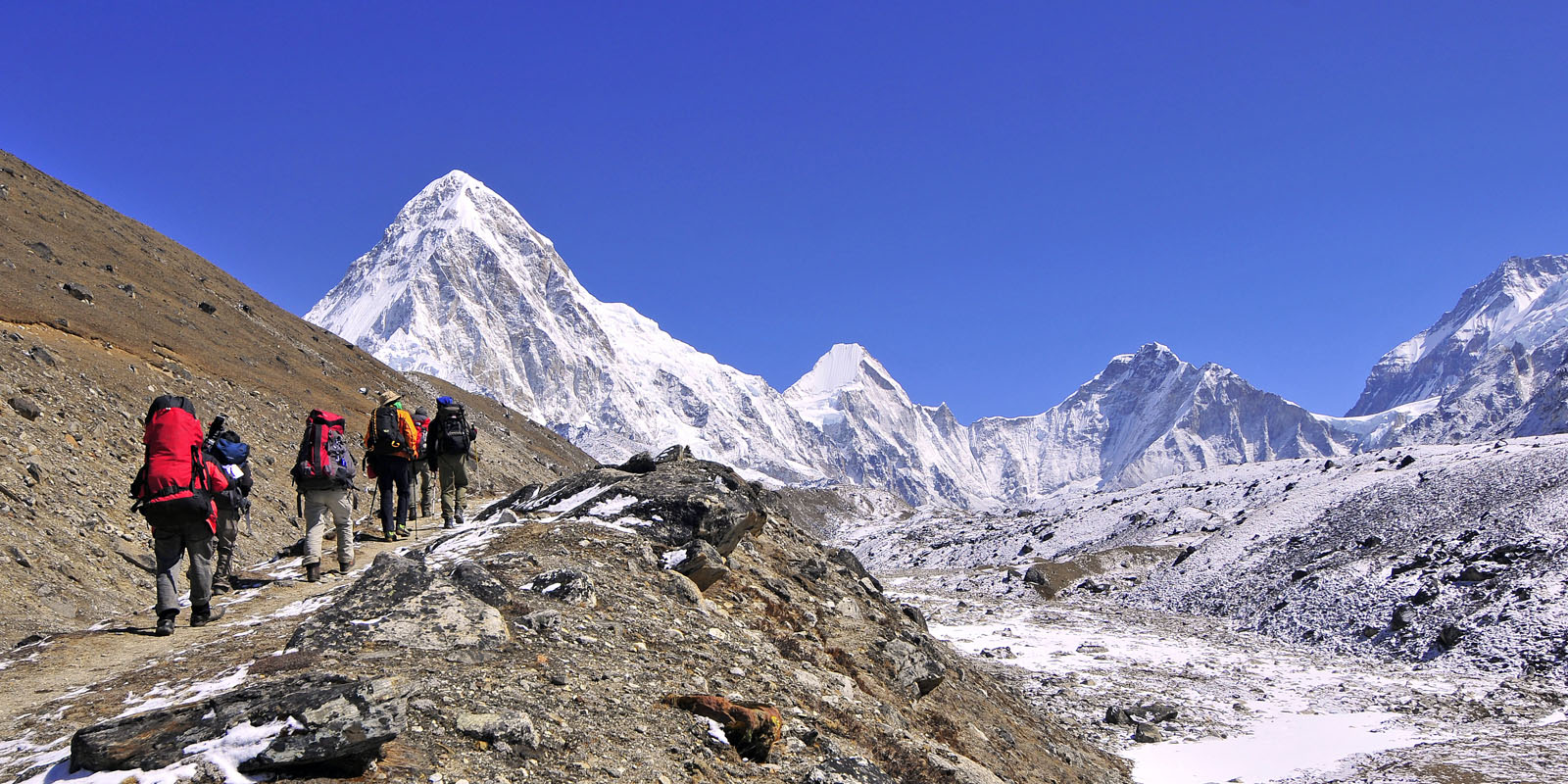
Everest Base Camp Trek 12-14 Days is one of the most iconic trekking adventures in the world, offering breathtaking views of the Himalayas and a deep cultural experience in the heart of Nepal. The trek leads to the base of Mount Everest, the world’s highest peak, standing at 8,848 meters (29,029 feet). It combines natural beauty, cultural immersion, and physical challenge, making it a bucket-list journey for trekkers worldwide.
Location
The trek is located in the Khumbu region of northeastern Nepal, within the Sagarmatha National Park, a UNESCO World Heritage Site. The journey typically begins with a flight from Kathmandu to Lukla, a small mountain airstrip known as the gateway to Everest.
Duration
The standard trek takes about 12–14 days, depending on the itinerary and acclimatization schedule. This includes time for rest days to adjust to the high altitude.
Route Highlights
- Lukla (2,860 m): Starting point of the trek, known for its scenic airstrip.
- Phakding (2,610 m): A riverside village offering the first glimpse of Sherpa culture.
- Namche Bazaar (3,440 m): The main trading hub of the Khumbu region, famous for its markets and mountain views.
- Tengboche (3,860 m): Home to the Tengboche Monastery, the largest in the region, with panoramic views of Everest, Ama Dablam, and Lhotse.
- Dingboche (4,410 m): A key acclimatization stop surrounded by stunning peaks.
- Lobuche (4,940 m): A small settlement near the Khumbu Glacier.
- Gorak Shep (5,164 m): The final stop before reaching Everest Base Camp.
- Everest Base Camp (5,364 m): The ultimate destination, offering close-up views of the Khumbu Icefall and the base of Mount Everest.
- Kala Patthar (5,545 m): A popular viewpoint for sunrise and panoramic views of Everest and surrounding peaks.
Scenery and Experience
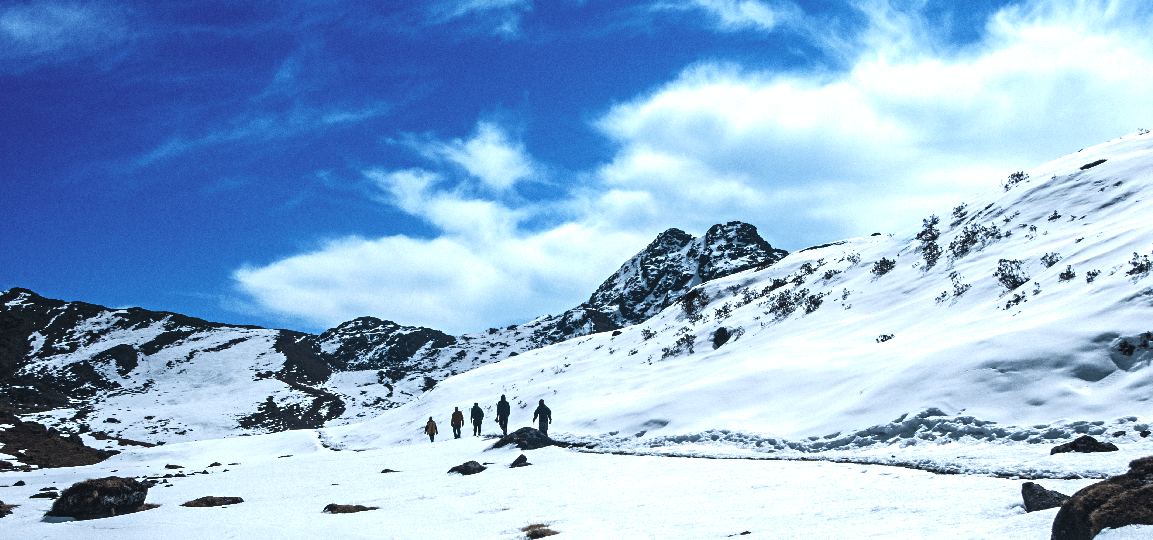
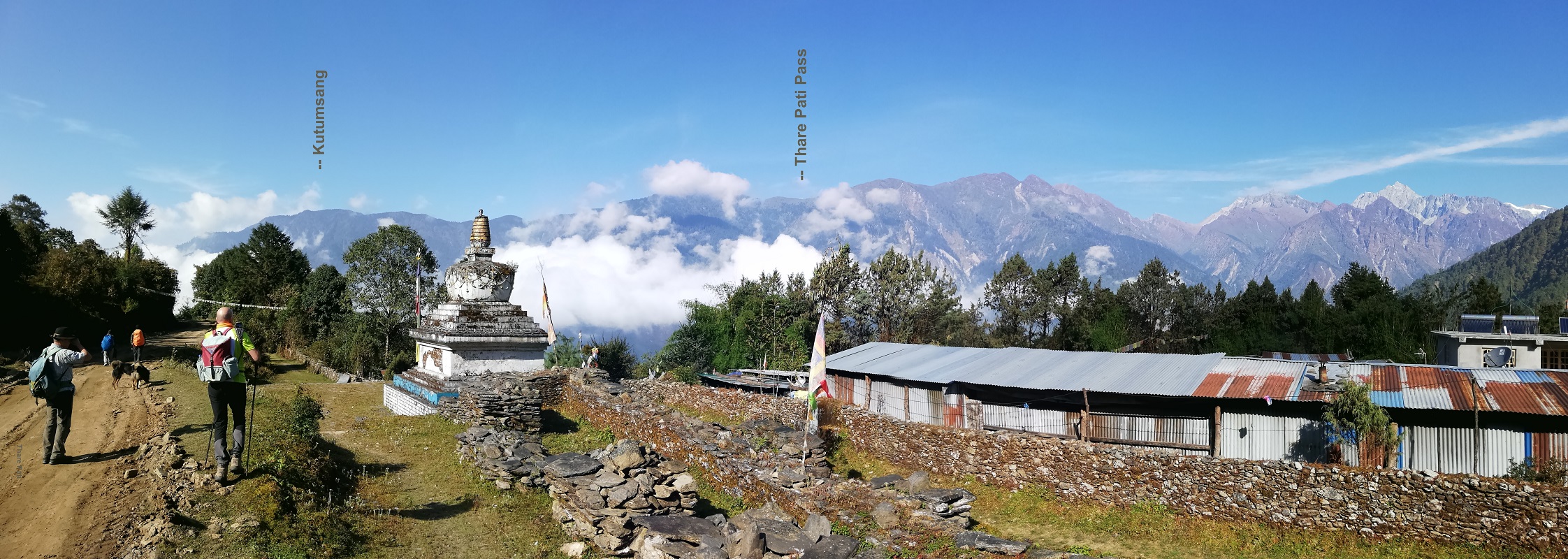
Everest Base Camp trek 12-14 days passes through diverse landscapes, from lush forests of rhododendron and pine to barren alpine terrain. Trekkers encounter suspension bridges, glacial rivers, and traditional Sherpa villages. The region is rich in Buddhist culture, with prayer flags, mani stones, and monasteries along the trail.
Difficulty and Preparation
The EBC trek is considered moderately challenging. It does not require technical climbing skills but demands good physical fitness and proper acclimatization due to high altitude. Trekkers should be prepared for long walking days, cold temperatures, and varying weather conditions.
Best Time to Trek
- Spring (March to May): Clear skies, blooming rhododendrons, and moderate temperatures.
- Autumn (September to November): Stable weather and excellent visibility. Winter and monsoon seasons are less favorable due to extreme cold and heavy rainfall, respectively.
Accommodation and Food
Teahouses along the route provide basic lodging and meals. Typical food includes rice, noodles, soups, and traditional Nepali dishes like dal bhat. Facilities become more basic at higher altitudes.
Cultural Insights
The trek offers a chance to experience Sherpa hospitality and learn about their traditions, religion, and mountaineering heritage. Monasteries and prayer wheels reflect the deep spiritual connection of the local people to the mountains.
Conclusion
The Everest Base Camp Trek is a once-in-a-lifetime adventure that combines natural grandeur, cultural richness, and personal achievement. Standing at the foot of the world’s highest mountain is an unforgettable experience that inspires awe and respect for the Himalayas.
 Have Questions?