Kanchenjunga Trek Summary
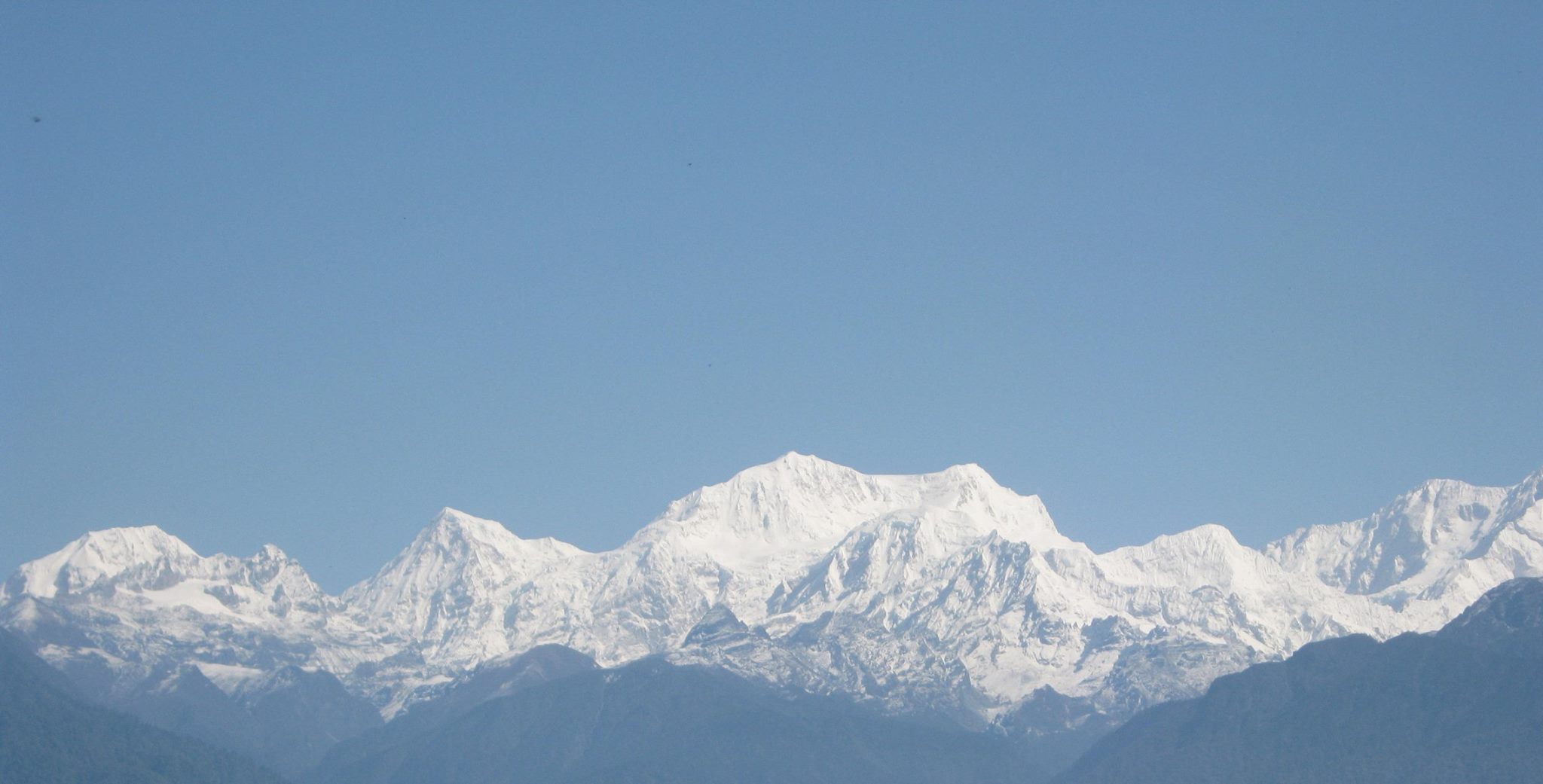
Kanchenjunga Trek Summary is an adventurous and remote trekking route in eastern Nepal, leading to the base of Mount Kanchenjunga, the world’s third-highest peak at 8,586 meters. The trek offers pristine natural beauty, diverse landscapes, and rich cultural encounters with Rai, Limbu, and Tibetan communities. It is one of Nepal’s least crowded trekking regions, ideal for those seeking solitude and authentic Himalayan experiences.
Location
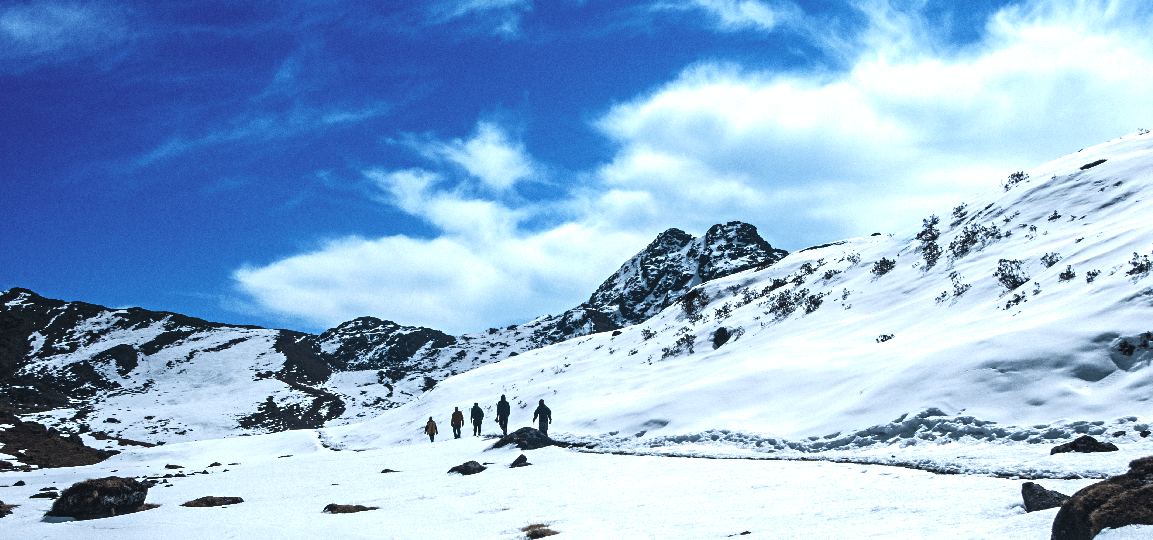
Kanchenjunga lies on the border between Nepal and the Indian state of Sikkim. The trek typically begins from Taplejung, accessible by flight or road from Kathmandu via Bhadrapur or Biratnagar. The route passes through lush forests, alpine meadows, and high mountain passes leading to the North Base Camp (Pangpema) and South Base Camp (Oktang).
Highlights
- Kanchenjunga North and South Base Camps: Panoramic views of Kanchenjunga and surrounding peaks.
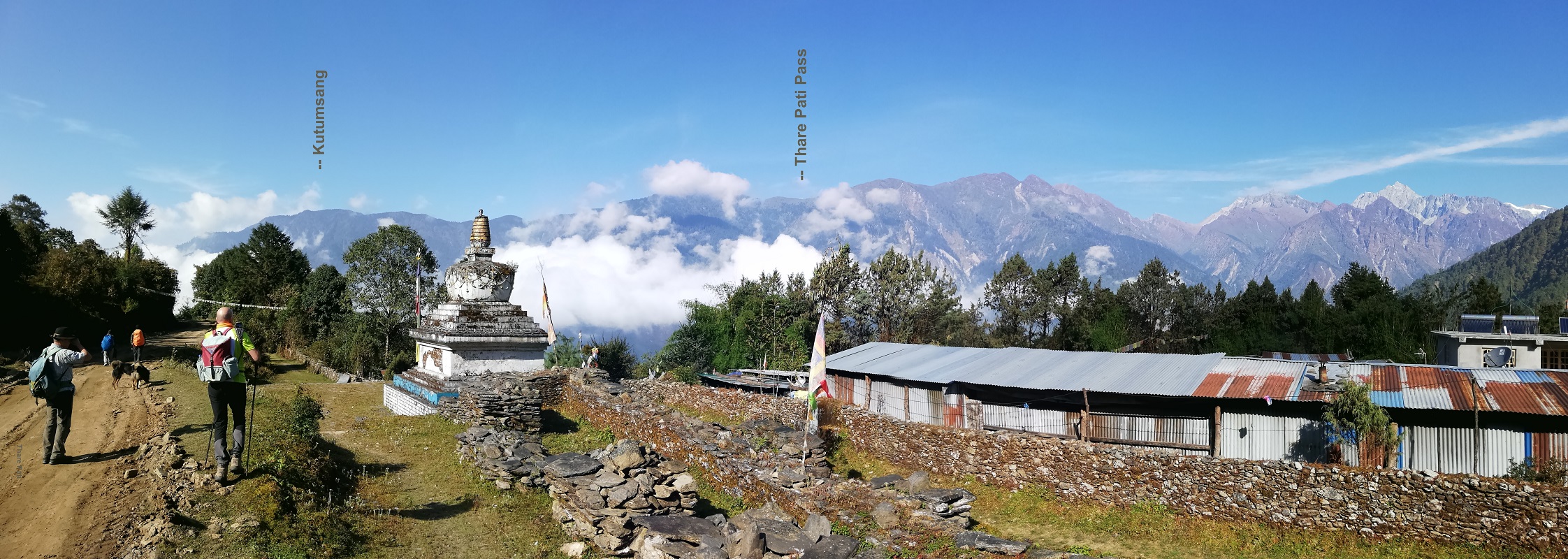
- Ghunsa Village: A traditional Tibetan settlement with monasteries and stone houses.
- Yalung Glacier: A dramatic glacier near the South Base Camp.
- Rich Biodiversity: Part of the Kanchenjunga Conservation Area, home to snow leopards, red pandas, and Himalayan black bears.
- Cultural Diversity: Encounters with Rai, Limbu, Sherpa, and Tibetan communities showcasing unique traditions and hospitality.
Trek Duration and Difficulty
The Kanchenjunga Trek typically takes 20–26 days, depending on the chosen route and acclimatization schedule. It is considered challenging, involving long walking days, steep ascents, and high-altitude conditions. Physical fitness and prior trekking experience are recommended.
Permits and Regulations
The Kanchenjunga region is a restricted area, requiring a Restricted Area Permit (RAP) and a Kanchenjunga Conservation Area Permit (KCAP). Trekkers must travel with a registered guide and be part of a group of at least two people. Independent trekking is not allowed.
Best Time to Visit
The best seasons for the Kanchenjunga Trek are spring (March–May) and autumn (September–November). During these months, the weather is stable, skies are clear, and mountain views are at their best. The monsoon season (June–August) brings heavy rainfall, while winter (December–February) can be extremely cold and snowy at higher elevations.
Accommodation and Facilities
Accommodation is primarily in teahouses and local lodges, though facilities are basic compared to more popular trekking routes. Meals include traditional Nepali dishes such as dal bhat, noodles, and Tibetan bread. Electricity and communication services are limited in remote areas.
Cultural Insights
The Kanchenjunga region is home to diverse ethnic groups, each with distinct languages, customs, and festivals. The Limbu and Rai communities practice animism and ancestor worship, while Tibetan Buddhist influences are evident in monasteries and prayer flags along the trail. The trek offers deep cultural immersion alongside natural beauty.
Key Facts
|
Feature |
Details |
|---|---|
|
Region |
Eastern Nepal (Taplejung District) |
|
Starting Point |
Taplejung |
|
Highest Elevation |
Approx. 5,143 m (Pangpema) |
|
Duration |
20–26 days |
|
Difficulty |
Challenging |
|
Permit Required |
Restricted Area Permit, KCAP |
|
Best Season |
March–May, September–November |
Conclusion
The Kanchenjunga Trek is a remote and rewarding journey through one of Nepal’s most untouched mountain regions. With its towering peaks, diverse ecosystems, and vibrant local cultures, it offers an unparalleled adventure for experienced trekkers seeking solitude and authenticity in the Himalayas.
 Have Questions?