1
Check Our Risk-Free Booking Policy View Details

https://www.heavennepaladventure.com/lhasa-to-lhasa-via-everest-base-camp/

Chisopani Nagarkot Trekking

Chisopani Nagarkot Trek is a short and scenic trekking route near Kathmandu, ideal for those seeking a taste of Nepal’s natural beauty and cultural charm without venturing far from the capital. This trek offers panoramic views of the Himalayas, peaceful forest trails, and insights into rural village life. It is suitable for beginners, families, and travelers with limited time.

Duration

Typically lasting 2 to 3 days, the trek can be customized based on time and fitness level. It starts from Sundarijal, a short drive from Kathmandu, and ends at Nagarkot or Changunarayan.

Route Highlights

  • Sundarijal (1,460 m): The starting point, known for its waterfalls and entrance to Shivapuri National Park.
  • Chisopani (2,215 m): A small village offering stunning sunrise and sunset views over the Langtang and Ganesh Himal ranges.
  • Nagarkot (2,175 m): A popular hill station famous for its panoramic Himalayan views, including Mount Everest on clear days.
  • Changunarayan (1,540 m): The endpoint of the trek, home to one of the oldest Hindu temples in the Kathmandu Valley, a UNESCO World Heritage Site.

Scenery and Experience

The trail passes through Shivapuri National Park, featuring dense forests of oak, pine, and rhododendron. Trekkers encounter terraced farmlands, traditional Tamang and Newar villages, and sweeping mountain vistas. On clear mornings, peaks such as Langtang, Dorje Lakpa, Gaurishankar, and even Everest can be seen from Nagarkot.

Difficulty Level

The trek is easy to moderate, suitable for all age groups and fitness levels. Daily walking ranges from 4 to 6 hours, with gentle ascents and descents. No prior trekking experience is required.

Best Time to Trek

  • Autumn (September to November): Clear skies and pleasant temperatures.
  • Spring (March to May): Blooming rhododendrons and mild weather.
  • Winter (December to February): Cold mornings but clear mountain views.
  • Monsoon (June to August): Lush greenery but occasional rain and slippery trails.

Accommodation and Food

Teahouses and lodges along the route provide comfortable accommodation and local meals. Typical dishes include Nepali dal bhat, noodles, soups, and tea. Facilities are basic but cozy, offering a warm local experience.

Cultural Insights

The trek passes through villages inhabited by Tamang and Newar communities, allowing visitors to observe traditional lifestyles, architecture, and farming practices. The final stop at Changunarayan offers a glimpse into Nepal’s ancient art and religious heritage.

Highlights

  • Close proximity to Kathmandu
  • Panoramic Himalayan views
  • Sunrise and sunset viewpoints at Chisopani and Nagarkot
  • Cultural encounters with local communities
  • Visit to the historic Changunarayan Temple

Conclusion

The Chisopani Nagarkot Trek is a perfect short adventure combining nature, culture, and mountain scenery. It provides a refreshing escape from city life and a rewarding introduction to Nepal’s trekking experience, all within a few days’ journey from Kathmandu.

Monsoon Season in Nepal

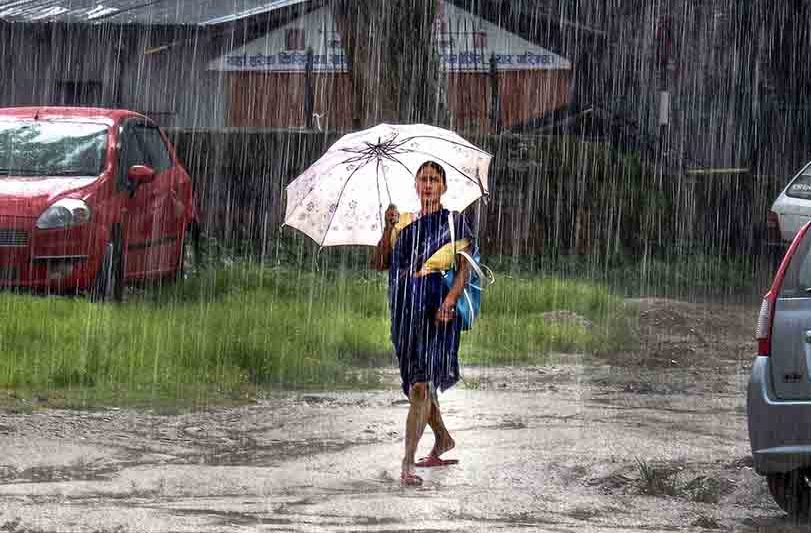
Monsoon season in Nepal is a period of heavy rainfall and lush greenery, typically lasting from June to September. It is driven by the southwest monsoon winds that bring moisture from the Bay of Bengal, resulting in frequent rain showers across the country. This season plays a vital role in Nepal’s agriculture but also affects travel and trekking conditions.

Duration

  • Start: Early June
  • Peak: July and August
  • End: Late September

Rainfall gradually decreases toward the end of September, marking the transition into the clear and dry autumn season.

Weather Characteristics

  • Temperature: Warm and humid, especially in the lowlands and mid-hills. Average temperatures range from 20°C to 30°C in most regions.
  • Rainfall: Heavy and frequent, particularly in central and eastern Nepal. The southern plains (Terai) and hilly regions receive the most rain, while the northern rain-shadow areas like Mustang and Dolpo remain relatively dry.
  • Visibility: Cloud cover often obscures mountain views, and trails can become muddy or slippery.

Regional Variations

  • Terai Region: Experiences intense rainfall and high humidity, sometimes leading to flooding.
  • Hill Region (Kathmandu, Pokhara): Frequent afternoon and evening showers with occasional thunderstorms.
  • Mountain Region: Rainfall is lighter in high-altitude areas, but landslides can occur on lower slopes.
  • Rain-Shadow Areas (Mustang, Dolpo, Manang): Remain mostly dry and are ideal for trekking during the monsoon.

Impact on Travel and Trekking

  • Trekking: Most popular trekking routes, such as Everest Base Camp and Annapurna Circuit, are less favorable due to slippery trails and leeches. However, treks in rain-shadow regions like Upper Mustang and Dolpo are excellent alternatives.
  • Transportation: Flights and road travel can be disrupted by poor visibility, landslides, or flooding.
  • Tourism: Fewer tourists visit during this season, making it a quieter time for those seeking solitude.

Agriculture and Environment

The monsoon is essential for Nepal’s agriculture, replenishing water sources and supporting rice cultivation, the country’s staple crop. The landscape becomes vibrant and green, with rivers and waterfalls at their fullest.

Advantages of Visiting During Monsoon

  • Lush, green scenery and blooming vegetation
  • Fewer crowds at major tourist sites
  • Lower accommodation and travel costs
  • Opportunities for photography of dramatic skies and landscapes

Conclusion

The monsoon season in Nepal, from June to September, brings both challenges and beauty. While heavy rains can affect travel and trekking, the season transforms the country into a lush, vibrant landscape and sustains its agricultural life. For travelers seeking a quieter, more authentic experience, the monsoon months offer a unique perspective on Nepal’s natural and cultural richness.

Everest Base Camp Trek -12-14 Days

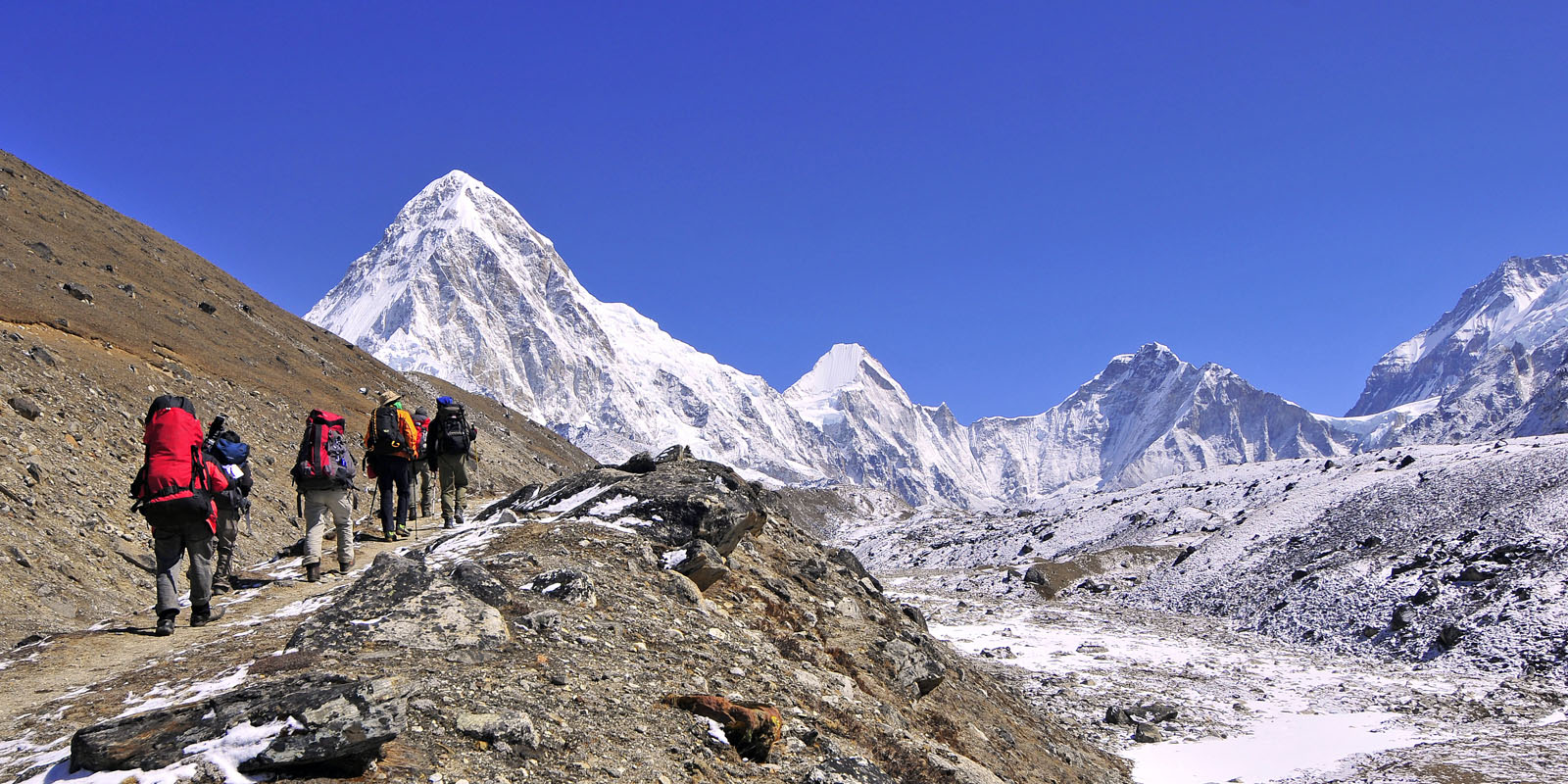
Everest Base Camp Trek 12-14 Days is one of the most iconic trekking adventures in the world, offering breathtaking views of the Himalayas and a deep cultural experience in the heart of Nepal. The trek leads to the base of Mount Everest, the world’s highest peak, standing at 8,848 meters (29,029 feet). It combines natural beauty, cultural immersion, and physical challenge, making it a bucket-list journey for trekkers worldwide.

Location

The trek is located in the Khumbu region of northeastern Nepal, within the Sagarmatha National Park, a UNESCO World Heritage Site. The journey typically begins with a flight from Kathmandu to Lukla, a small mountain airstrip known as the gateway to Everest.

Duration

The standard trek takes about 12–14 days, depending on the itinerary and acclimatization schedule. This includes time for rest days to adjust to the high altitude.

Route Highlights

  • Lukla (2,860 m): Starting point of the trek, known for its scenic airstrip.
  • Phakding (2,610 m): A riverside village offering the first glimpse of Sherpa culture.
  • Namche Bazaar (3,440 m): The main trading hub of the Khumbu region, famous for its markets and mountain views.
  • Tengboche (3,860 m): Home to the Tengboche Monastery, the largest in the region, with panoramic views of Everest, Ama Dablam, and Lhotse.
  • Dingboche (4,410 m): A key acclimatization stop surrounded by stunning peaks.
  • Lobuche (4,940 m): A small settlement near the Khumbu Glacier.
  • Gorak Shep (5,164 m): The final stop before reaching Everest Base Camp.
  • Everest Base Camp (5,364 m): The ultimate destination, offering close-up views of the Khumbu Icefall and the base of Mount Everest.
  • Kala Patthar (5,545 m): A popular viewpoint for sunrise and panoramic views of Everest and surrounding peaks.

Scenery and Experience

Everest Base Camp trek 12-14 days passes through diverse landscapes, from lush forests of rhododendron and pine to barren alpine terrain. Trekkers encounter suspension bridges, glacial rivers, and traditional Sherpa villages. The region is rich in Buddhist culture, with prayer flags, mani stones, and monasteries along the trail.

Difficulty and Preparation

The EBC trek is considered moderately challenging. It does not require technical climbing skills but demands good physical fitness and proper acclimatization due to high altitude. Trekkers should be prepared for long walking days, cold temperatures, and varying weather conditions.

Best Time to Trek

  • Spring (March to May): Clear skies, blooming rhododendrons, and moderate temperatures.
  • Autumn (September to November): Stable weather and excellent visibility. Winter and monsoon seasons are less favorable due to extreme cold and heavy rainfall, respectively.

Accommodation and Food

Teahouses along the route provide basic lodging and meals. Typical food includes rice, noodles, soups, and traditional Nepali dishes like dal bhat. Facilities become more basic at higher altitudes.

Cultural Insights

The trek offers a chance to experience Sherpa hospitality and learn about their traditions, religion, and mountaineering heritage. Monasteries and prayer wheels reflect the deep spiritual connection of the local people to the mountains.

Conclusion

The Everest Base Camp Trek is a once-in-a-lifetime adventure that combines natural grandeur, cultural richness, and personal achievement. Standing at the foot of the world’s highest mountain is an unforgettable experience that inspires awe and respect for the Himalayas.

Booking FAQ

Do you run and organize regular trips?

Booking FAQ we do run regular trips within the Himalayan Himalaya region on our fixed departure dates to various destinations from trekking, climbing, and tours as well as organizing trips for private groups, like family, school/college groups to corporate people if our departure does not suit some people, as per their holidays for Nepal. Regular trips that we run depend upon the number of people in the group this makes it affordable to interested travelers joining the group rather than in a smaller group, where we run trips guided by our professional guides and tour escorts, managed by and well looked after by our diligent office staff taking care of all booking in a smooth manner to make every trip of our a winner with well-satisfied clients.

We have a big group of people of varied ages do you handle a large number in one group?

Bigger the group is more enjoyable and sharing each other knowledge of various subjects makes the trip more interesting where people get in to know each- other very well. As we have expert and veteran guides and staff to manage big and smaller groups offering the same quality services, in past decades since the company began its operation we had larger groups on longer trips as well, with our professional and expertise in tourism fields yes we can handle all big groups, whatever the size we are at your services. Bigger groups are best as prices differ for a smaller number of people in the group, which makes clients much more at ease to afford the holiday in the Himalayas in bigger groups where discounts apply according to the size of the group.

What accommodations options can I change?

As per the trip cost and itineraries with other details including full information in our included and excluded, we do mention accommodation using the best tourist standard hotels while in Kathmandu-Pokhara Chitwan or at Nepalgunj (for far western destinations) we also provide accommodation on 2-3 star class hotels. Where clients can have the option to upgrade the standard of accommodation from budget to standard or deluxe 4 to 5 stars hotels and resorts, on the normally fixed trip cost we use tourist standard or 2-3 stars hotels.

What are the conditions when some member of the group cancels the trip?

Booking FAQ: All our trips are guaranteed to run as per the season and destinations wise no matter what the group’s size is, even if some clients in the group cancel or get delayed reaching the trip departures due to their own domestic or job vacation problem. In this case, depending upon the trip departure if cancelled earlier will get some refund as per the duration of booking and trip departures dates if it happens in the last hour refund will not be entertained, although the company can make a letter to one insurance company reasons for cancellation and price involved in booking the promised trips with us.

What are the fees to confirm space and booking?

Booking FAQ: As per company rules and policy in order to book a space for respective Himalayan trips, one requires paying in advance a minimum of 25 % of the total trip cost for Nepal holidays only. Bhutan and Tibet need to send us a minimum of 60 % to confirm you’re booking where rules and regulations in these neighboring Himalayas countries are different from Nepal.

Is advance payment on booking necessary?

To be on the safe side assuming your confirmation for related trips after receiving minimum advance payment as the deposit for your holiday in Nepal with us, the advance payment will help us to organize your tour and treks well in advance like allocating guides, buses or coach (for treks and tour that involves overland journey) as well booking seats on domestic flights as per the itinerary was chosen.

When do I pay the remaining trip balance?

Remaining trip cost balance should be made on arrival in Kathmandu before your trip departure in cash or in Credit Card (where a 3.75 % surcharge is added to the total balance payment). Paying cash should be in convertible currencies like US $, British Sterling Pounds, Euro, Swiss / French Francs, Singapore and Australian $ and Chines Yuan.

What happens if I am not able to do the trek do I get a refund?

Booking FAQ: In this case, where you will not be entertained or get reimbursed for the actual trip cost, it depends upon the cancellation notice and information at the earliest a month back after you booked, where you can get the money after getting deducted some percentage from the company. For last-minute cancellations and no-show situations, where no refund will be made, however, we will adjust the cost for the next trip if interested in postponing holidays in Nepal or any Himalayan countries. Where the company will issue a letter regarding your cancellation so that you can claim from your travel-related insurance.

Will I get my money back, if I am unable to complete this trek?

We have strongly mentioned in our terms and conditions policy that quitting the current trip is due to a medical or personal problem where no refund will be made. Where clients have to bear / her own expenses on the way back to Kathmandu on early return, where the company will serve them with an escort to accompany them back.

What are the right sizes for a group?

Minimum of 4-6 or 8-10 pax is the perfect size in a group, this allows you to enjoy with more people joining you on the trip, prices also differ with more people the cost will be at its best.

How early should I get prepared and plan the trip of my choice?

A minimum of 2-3 months ahead will be the best this allows for you to prepare well, and we recommend you some tips for exercise and health care related to the trek chosen, early birds catch the worm as the saying goes where early booking and planning will make you prepare at your best.

Should I need to send and inform the company of my physical/medical certificate and dietary?

When you book the trip chose with us where health and sound medical and physical fitness will be good to know, as some Himalayan trails can be strenuous and tough for some days, sending your physical and medical background will be good so that we can advise you the toughness and grade of the treks and other Himalayan journey and follow with your dietary on meals on treks.

Is there an age restriction for adventure around Himalayan trips?

Depends upon the area of destinations chosen for long and tough adventurous and challenging treks where age and fitness level requires. Most insurance does not allow medical insurance for people of 60 years and above, for other moderate and short holidays and adventures will be okay for all age groups, as long one is physically fit and in sound health.

Do you suggest trekking and exercising for the trip booked?

To make your trip highly successful where fitness level with healthy medical background and sound will be an advantage for you and us to enjoy trekking, as we highly recommend some physical exercise to maintain your body for an upcoming trek in the Himalaya with us.

Is tipping compulsory?

Booking FAQ: Tipping is gratitude after you enjoyed the services rendered by our guides and staff to make the trip a success and winner. it is not mandatory but has been a custom and tradition around Himalayan countries. since bygone days after offering good loyal service where tipping or gratitude has been made compulsory and highly expected. As you can contribute as per your budget after achieving enjoyable. excellent times and getting full information of the region from our guides as well porters who are also a part of the family on trekking.

What happens in case of bad and unfavorable weather conditions?

Himalayan weather even in good seasons of Spring-Autumn / fall and winter can lead to the worst weather, which is hard to predict and can be unreliable sometimes. For moderate short treks and tours, it won’t hamper most only for longer duration trips and climbing peaks with trekking that involves high passes to cross and traverse from one area to another.

Sometimes weather plays an important role if flying in and out of mountainous areas like Lukla-Taplejung-Tumlingtar-Dolpa-Jomsom and Rara area as a flight can be obstructed for some days, in this situation just be positive where the company will make all necessary arrangement within our limit and control.

Where other options like taking a chopper or extending the number of days in the itinerary might occur, in this type of situation bad weather, flight cancellation, and landslides, heavy snow on the tracks and passes or other calamities that happen related to bad weather.

Which currencies are accepted?

In the first place paying the balance payment in cash will be the US $, we also accept major convertible currencies like EuroSwiss Franc to UK sterling pound, including Australian and Singapore $.

Exchange rates in Nepal for foreign currencies?

Nearly every day selling and buying price of respective major currencies differs, we follow the main Standard Bank of Nepal where the price is at the best than other local money changers (affiliated and certified by major banks of the
country).

Do all guides communicate in the English language?

Booking FAQ: When it comes to serving and communicating with foreign guests and customers where English is the first chosen language, where all our guides and people attached to the tourism industry can speak and understands English as the main communication when dealing with our valuable guests.

We also provide guides for other foreign languages besides English on request; our guides are experts and well-versed in taking care of our clients to make the holiday with us enjoyable and memorable.

What maximum weight can a porter carry?

25-30 kg is the maximum weight carried by porters and as per rules of PAC (Porters Association) and tourism government regulations, even though they can carry much more than the actual standard weight allowed. On treks, loads are divided according to the number of pax and baggage where each porter carries two people’s bigger bags as per the weight limitation.

How much weight is allowed on domestic airlines?

Booking FAQ: As per rules of respective domestic airlines and international civil aviation weight limitations up to 15 kg per passenger not counting your day-packs or handbags, assuming a 3-5 kg maximum which will be carried by you inside the plane.

Do all hotels in Kathmandu have a safety box and locker facility for storing extra personal belongings not required for the treks or long tours?

All hotels that we provide as per the itinerary and cost-wise do have a safety box and safe lockers for your valuables till you withdraw after your tour and treks. Store available to keep your other extra baggage with items not required for the treks or another longer tour, where you will receive a baggage tag so that you can claim on return from the trip.

How are your trips compared to other companies?

Booking FAQ: We are the renowned and most reputed adventure and cultural company offering something different to other local companies, where all our trips cost is transparent without cutting any corners in providing excellent services to our guests, which makes our company always active with the repeated flow of same clients with full of trust and leaves home with satisfaction after using our great services.

Besides our quality services, the main reason is proper management and excellent working knowledge of office and field staff including guides and drivers. Our guides have much to offer with full knowledge of a wide subjects to offer from flora-fauna, history, cultures, and religions of the places on a route with a sense of humor to entertain our customers during your enjoyable holidays with us as well versed with medical side if required.

Travel Insurance

Travel Insurance an accident can happen anywhere so, it is recommended for all tourists get travel insurance before visiting Nepal. Depending upon the insurance policy and the company, the insurance will look after tragic like theft, loss or accidental damage of gears and other belongings, baggage, and medical emergencies evacuation. we should advice the most people are bring a that’s covering the 5000m for your emergencies cases to visit Nepal.

Likewise, the insurance should also include helicopter evacuation and any kinds of mishaps that might occur during adventure sporting like bungee jumping, rafting, and zip-lining. No one is capable of foreseeing the accidents, but each individual can by themselves an insurance policy to lessen the effects of the accident.

When booking any trip, make sure that you have purchased good travel and medical policy through your home to the companies. We strongly suggest that one should buy travel and medical insurance when travelling around Third World countries and Himalayan regions for sudden severe cases of medical complications, where you might need to get evacuated by any means of immediate transportation like using helicopter services.

For travel when the trip might get delayed and cancelled or rerouted or other similar cases arise due to unavoidable circumstances like bad weather, political riots, road-blocks, landslides or other natural calamities, you can claim from your insurance in such cases.

Beyond Kathmandu Valley Tour

Beyond Kathmandu valley tour with various options to choose as per your interest and time in Nepal and before or after your major and main trips and trekking, on this tour where you will have the opportunity to observe rural farm life of Nepalese and its age-old heritage cultures.

Kathmandu valley will offer a nice visit staying overnights in mountain resorts where rooms face excellent views of Himalayan peaks with stunning sunrise views in the comfort of nice hotels and resorts. Beyond Kathmandu Valley Tour we offer interesting and scenic visits with an overnight stop in a nice hotel or Mountain Resorts accompanied by an expert guide and tour escorts with spacious comfortable car-four wheel drives or coach as per group size.

Nagarkot Hill

A famous and popular hill within the outskirt of Kathmandu valley. A drive of a few hours from Kathmandu will take you to Nagarkot. You can aslo combine Nagarkot with Bhaktapur city and Changu-Narayan Tour. Nagarkot is one of the major attractions of the Beyond Kathmandu Valley Tour and is not recommended to exclude from the tour.

Nagarkot stands at 2,100 m high and offers stunning sunrise views over the chain of Himalayan peaks. The Himalayan peaks include Manaslu-Ganesh Himal in the North West with central north views of Langtang and Jugal Himal. Dorji-Lakpa and Gaurishankar appear towards the Everest range in the east.

Nagarkot besides fabulous views of sunrise and mountains also offers cultural attractions. One can take a hike for a day to get a glimpse of Nepalese rural farm life which will be interesting in the harmony of cool mountain fresh air and its nice alpine woodland surrounding.

Dhulikhel Hilltown 

Dhulikhel is famous for its glorious views of the sunrise over the chain of mountains extending all the way from Manaslu in the West to Mt. Everest on the East horizon. Dhulikhel countryside is great for hikes and short walks, this scenic spot withstands at above 1,440 meters, with various nice excellent hotels and resorts to stay overlooking grand views of mountains and surrounding landscapes.

Dhulikhel is a town with 500 years old history a Newari town the indigenous tribe of Kathmandu valley worships both Hindu and Buddhism religions. The major places of worship here are Narayan and Harisiddhi temples decorated with profuse wood carvings.

The Bhagawati temple situated on top dominates the skyline facing the grand vista of the town and surrounding area, with many vantage points in Dhulikhel which offer a panorama of the Himalayas that will leave you spellbound. While at Dhulikhel visit the great holy Buddhist spot of Namobuddha:

Namo-Buddha

One of the unsurpassed supreme sacred sites known as the Three Stupas in Nepal is TagmoLüjin. Namobudha is a holy site where perfect and supreme Buddha-at that time still on the path of learning-offered his own body without regret to a tigress suffering from great hunger. What follows is the history of this supreme and distinguished sacred site. The location is unmistakably based on the clear identification given in the Sutra Requested by the Tigress and so forth.

Highlights

  • Best view from the Nagarkot view tower.
  • A tremendous mixed range of the mountain and different cultural-religious from Dhulikhel.
  • Famous Nabobhuddha monastery.
  • Best service with fantastic scenery from the round trip.
  • Along with the best hotel provided.
  • Perfect surrounded mountain view range.
  • Best places to visit around Dhulikhel and Nabobuddha.

Included

  • Pick-up and drop.
  • Drive in A/C vehicle.
  • All the 5* hotel with a B/B plan.
  • Tour guide with good trainer English speaking and all his expenses.

Excluded

  • International Airfare.
  • Visa Charges($30 Dollar for the 15 days-$50 Dollar from the 30 days).
  • Yours Personal travel insurance.
  • Extra accommodation in Kathmandu or beyond Kathmandu.
  • Lunch and Dinner.
  • Tips to our staff at the end of your tour.


Nepal Scenic-Cultural Tour

Nepal Scenic – Cultural tour leads you far and wide across the country with mesmerizing and enjoyable times from a day to a few days or more to a week with an ever-exciting sightseeing tour around the best areas of Nepal. Nepal is an amazing place enriched with culture, historical and religious monuments where most of the ancient temples, stupas, and monasteries with old palaces are listed in World Heritage Sites.

Nepal Scenic Cultural tour begins right from the moment you reach Kathmandu where a sightseeing tour leads you to its ancient glorious historical places around interesting Old Durbar Square (Palace and Royal Courtyard) visiting temples and religious monuments of great interest. Tour extends by visiting Old Swayambhunath Stu-pa the landmark of Nepal’s old Buddhist sites with Bouddhanath large stupa facing the all-seeing eyes of Lord Buddha and visiting the holy Hindu temple of Pashupatinath.

Kathmandu and its adjoining cities are full of delights around Patan / Lalitpur and Bhaktapur to observe ancient culture and customs that still exist for the past hundreds of centuries. A marvelous trip to see more of Nepal’s scenic and historical sites from the high Hills of Nagarkot and beautiful Pokhara located on laps of massive Annapurna Himalaya and then the tour of famous Buddhist sites of Lumbini the birthplace of Lord Buddha and The Light of Asia. All our tours are led by expert guides and in the comfort of nice vehicles to show you the wonders of Nepal’s scenic and cultural tour.

One Day Tour In Nepal

One Day Tour in Nepal apart from the world’s highest mountain ranges and unique blend of diverse cultures and traditions, Nepal is equally renowned for culturally adorned cities. Cities like Pokhara and Kathmandu offer a brilliant insight into the hustling city life shaped by the fabrics of cultural belief and natural majesty. One-day tour in Nepal is the perfect way to experience these factors which offer a unique identity to Nepal. These one-day trips allow you to experience the true magic of this wonderful country. The major aim of the one-day tour is to provide you with an insight into the culture and lifestyle of the Nepali people.

Whether it’s a hiking trip, city tour, or motorbike ride, one-day tours offer an interesting approach to exploring Nepal. On these tours, you can walk through the deep alleys of the town, courtyards, and local bazaars. This allows you to experience Nepali culture first-hand and see the hidden treasures of the country. On these tours, you visit numerous heritages as well.  Inside the Kathmandu valley itself, there are numerous world heritage sites like Kathmandu Durbar Square, Patan Durbar Square, Pashupatinath, Swayambhunath, Boudhanath, Bhaktapur Durbar Square, and Changunarayan Temple. These locations are filled up with cultural and traditional importance and are bound to blow up your mind. They also reflect the ancient culture, traditions, art, craft, and architecture of medieval Nepal.

Similarly, if you are an adventure freak and want to experience the best adrenaline rush then a hiking trip or a mountain bike ride through the natural trails would be a perfect match-up for you. Locations like Nagarkot, Shivapuri National Park, Godavari, and Sundarijal are a few famous destinations for this purpose.  All these destinations are ripe with natural beauty which includes the surrounding hills, landscapes, and the faraway Himalayas.

Apart from these popular destinations around Kathmandu Valley, Pokhara also offers a great number of one-day tour packages. Sarangkot hill station and World Peace Pagoda are famous one-day tour destinations around Pokhara. Similarly, travelers can also incorporate adventure sports like paragliding, boating, zip-lining, and bungee jumping on these one-day trips.

One Day Tour in Nepal as with all our packages at Heaven Nepal, we welcome any customizations to these one-day tours as well. If you don’t see what you’re looking for and want some additional services, please get in touch with us.  We can arrange to combine different elements like culture, history, food, nature, and religion along with different means of getting around, like walking, mountain biking, classic motorbikes, rafting, paragliding, and canoeing, and many more. We plan your trip in such a way that you don’t just get stuck in the back seat of a van, but also participate actively in the trip itself.

Rock Climbing

Rock Climbing in Nepal isn’t just about using physical force but constitutes multiple tasks concentration of force on specific points, relaxing when necessary and ultimately lifting yourself from one step to another. Hattiban and Kakani are famous for housing both natural and artificial rock climbing sites around the Kathmandu Valley.

Nagarjun Forest -30 mins drive from Kathmandu
Hattiban- 1 hour drive from Kathmandu
Bimal Nagar – 20 mins drive from Bandipur
Nagarkot–2 hrs drive with 3-4 hrs
Namche Bazaar
Beside above location we do offer other areas around Langtang Valley.

Outside Kathmandu valley a drive to end of the road head and hike to the location of rock climb, in Kathmandu with pack lunch and drinking water provided with medical / First Aid kit. The students have to bring their own personal rock climbing equipment’s like harness, carbineer 2 pairs (lock/unlocks) gloves, climbing shoes suitable for the climb. Main ropes and other necessary item provided by the organization Heaven Nepal Adventure Pvt. Ltd.

Bungee Jumping

Bungee Jumping is perhaps the most famous and easily accessible adventure sport in Nepal. The bridge of height 160 meters above the Bhote Koshi River at the Last Resort and the water-touch Bungy in Pokhara are two options for bungee jumping in Nepal. These jumps can shoot your adrenaline as soon as you leave the edge and jump head-on towards the earth.

The remarkable 160 m and 500 ft drop into a gorge of raging Bhote Kosi River, one of the longest world’s Free Fall. Ultimate Bungee Jump is a great sport and an adventure which has been in operation since last two decades ago, started by an expert New Zealander in Nepal which is one of the great most spectacular Bungee Jump on this Planet.